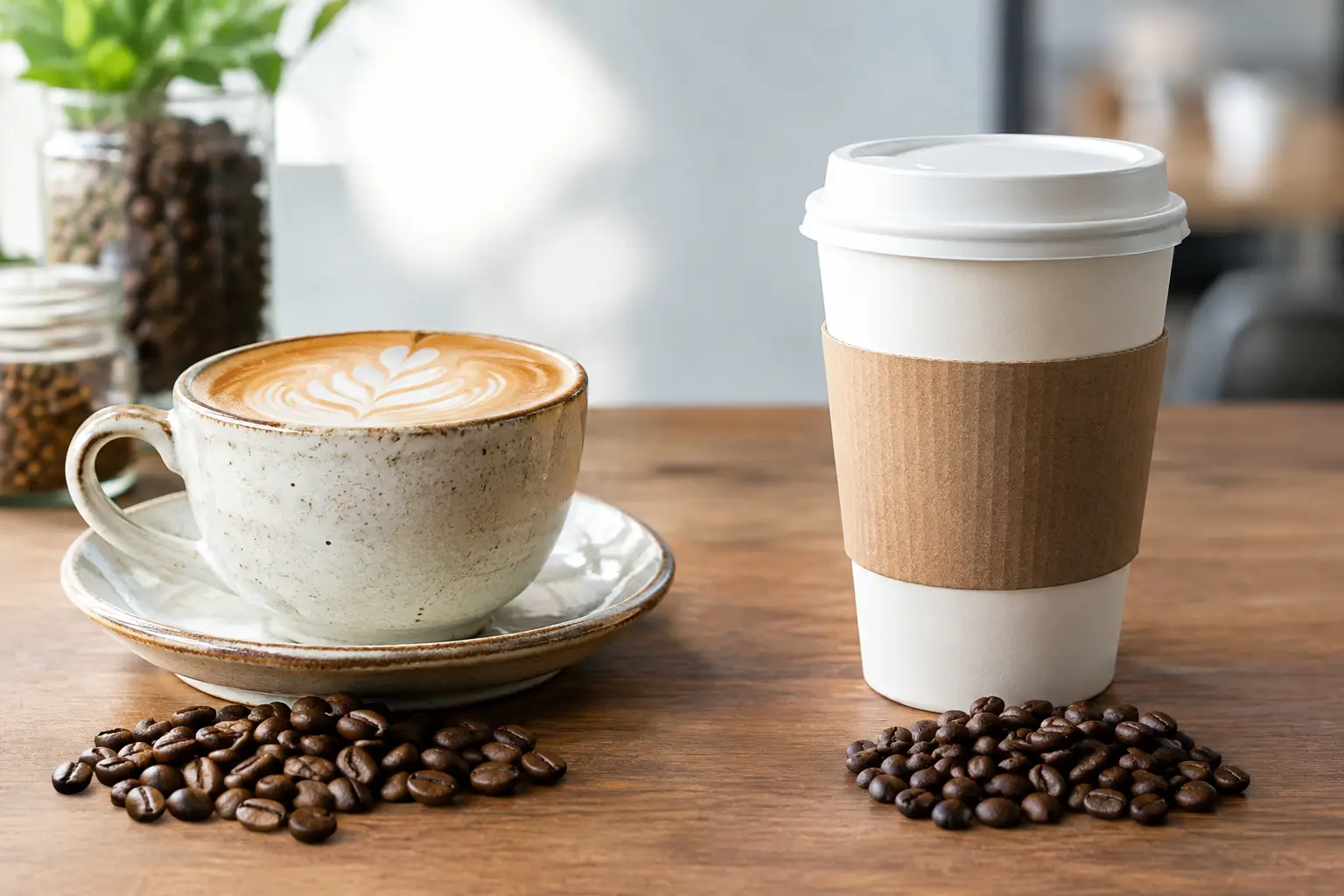
A coffee stop can be as routine as catching the morning train or as memorable as settling into a restored station with a warm breakfast and a cup made just the way you like it. That is where specialty coffee versus chain coffee becomes more than a question of logos or price. It is a choice about what is in the cup, who is making it, and whether the place feels like part of your day or simply a stop along the way.
Both have a place. A national chain can offer speed, familiarity, and the reassurance that a favorite drink will taste much the same in Connecticut, California, or anywhere in between. Specialty coffee shops tend to offer a closer look at the coffee itself, along with fresher roasting, more personal service, and a stronger sense of local character. The better choice depends on what matters most on that particular morning.
Specialty Coffee Versus Chain Coffee Starts With the Bean
Specialty coffee is not simply a fancier name for coffee. The term generally refers to coffee that has been carefully grown, harvested, processed, roasted, and brewed to preserve its distinct qualities. At its best, a cup may have a natural sweetness, a bright fruit note, a gentle nuttiness, or a chocolate-like finish. Those flavors come from the bean’s origin and handling, not from added syrups.
This attention begins long before a barista pulls a shot of espresso. Specialty roasters usually know where their beans come from, often down to a particular farm, cooperative, or region. They select coffees for quality, roast them in smaller batches, and adjust the roast profile to bring out the character of each bean. A coffee from Guatemala may show cocoa and caramel notes, while one from Ethiopia may be more floral or berry-like. Neither has to be better. They are simply different expressions of the same remarkable fruit.
Chains buy coffee at a much larger scale. That scale can make a reliable product available in countless locations, which is no small accomplishment. But it also requires blends and roasting approaches designed for consistency across a large system. Darker roasts are common because they create a bold, familiar flavor that holds up well in milk drinks and remains recognizable from one store to the next.
For someone who likes a smoky, dark cup with a generous splash of cream, that consistency may be exactly right. For a drinker who wants to notice the character of the bean, a lighter or medium specialty roast often offers more to explore.
Freshness Makes a Noticeable Difference
Coffee is at its most expressive not long after roasting. Whole beans need time to rest after roasting, but they gradually lose aroma and complexity as weeks and months pass. Grinding accelerates that change dramatically. A cup made from freshly roasted beans and ground moments before brewing can smell fuller and taste more lively than one made from coffee that has been sitting much longer.
That is one of the clearest differences customers often notice at an independent roaster. Fresh roasting gives the coffee a chance to speak for itself. It also gives the people making it more control. If a batch calls for a slight adjustment in grind, water temperature, or brew time, a skilled team can make that adjustment and keep the cup balanced.
Large chains have more moving parts: warehouses, distribution schedules, regional stores, and a wide selection of products. Their systems are built to serve many people quickly, and convenience is a real benefit. Still, the distance between roast date and cup can make freshness more difficult to prioritize at the same level as a local operation roasting for its own community.
Freshness is not a reason to look down on a simple cup of coffee. It is an invitation to taste more carefully. Even a familiar medium roast can reveal a smoother finish and sweeter aroma when it has been roasted and prepared with care.
The Drink Matters, Not Just the Coffee
A fair comparison has to include what customers actually order. If your usual drink is a large iced latte with vanilla, oat milk, and an extra shot, the bean’s subtle origin notes may not be the main event. In that case, a chain’s familiar menu, quick ordering process, and reliable customization can be genuinely useful.
Specialty coffee shops can make those drinks, too, often with more attention to espresso extraction and milk texture. The difference may show up in the balance. A properly pulled espresso can add sweetness and body rather than tasting bitter beneath the milk. Steamed milk can be velvety rather than merely hot. A seasonal flavor can complement the coffee instead of covering it up.
For a straightforward drip coffee, pour-over, cappuccino, or Americano, specialty coffee’s advantage is often easier to taste. There are fewer ingredients between the drinker and the bean. A well-brewed cup does not need to be sharp, overly bitter, or dressed up to be satisfying.
The best order is the one you will enjoy. Some mornings call for a plain hot coffee and a buttered muffin. Others call for a cold drink on the way to the beach, or a quick cup before boarding the train. Coffee should meet people where they are.
Service and Place Are Part of the Experience
Coffee is food and drink, but it is also hospitality. At a chain, a customer may appreciate knowing the menu, ordering ahead, and moving on with a busy day. The staff may be hardworking and friendly, yet the experience is designed around a standardized system.
At a neighborhood coffee shop, the pace can feel more human. Someone may remember that you take your coffee with a little cream, ask how your trip went, or point you toward a fresh-baked treat that pairs well with your drink. That recognition is not a marketing trick. It is what happens when regulars, visitors, commuters, and staff share the same gathering place over time.
In a town like Mystic, the setting matters, too. A cup from a historic train station carries a little more story than one handed through a drive-thru window. At Mystic Depot Roasters, coffee can be part of a larger pause: breakfast before a rail trip, lunch after a walk through town, or a familiar table where neighbors catch up. The building, the welcome, and the meal all add something to the cup.
That does not mean every coffee break needs to be an occasion. Sometimes fast is best. But when you have a few extra minutes, choosing a local café helps keep those distinctive places alive. It supports jobs, local relationships, and the old buildings that give a community its texture.
Is Specialty Coffee Always More Expensive?
It can be, but the answer is more complicated than the menu board suggests. Specialty beans cost more to source and roast carefully. Small-batch production, trained staff, and higher-quality ingredients all have a price. Yet a simple brewed coffee at an independent café may be quite reasonable, especially when compared with a heavily customized chain beverage.
Value is not only the lowest number on the receipt. It is whether the coffee tastes good, the food is satisfying, the service is kind, and the stop fits naturally into your day. A carefully made cup that you look forward to can feel like a better value than a cheaper drink you only tolerate.
There is also a practical middle ground. Try specialty coffee first in its simplest form: a small drip coffee, an Americano, or a classic latte. You do not need to know every tasting term or own a fancy brewer to enjoy it. Ask what is tasting especially good that day, and let the person behind the counter make a recommendation.
Choosing the Right Cup for Your Day
Choose a chain when predictable flavors, a familiar app, late hours, or a fast stop are the priorities. Those conveniences have earned their popularity, particularly for travelers and people on a tight schedule.
Choose specialty coffee when freshness, bean quality, thoughtful preparation, and a personal welcome matter more. It is especially worthwhile when you want to slow down enough to taste the difference or pair your coffee with a made-to-order breakfast, a sandwich, or something fresh from the bakery case.
The good news is that enjoying specialty coffee does not require rules. Start with the cup you already like, take a sip before adding anything, and notice what changes when the beans are fresh and the service is personal. A good coffee stop should leave you better prepared for the road ahead, with a little warmth to carry with you.