November 14, 2026
Best Coffee Drinks for Commuters on the Go

A commuter coffee has a real job to do. It needs to be ready when the platform announcement comes on, fit in the cup holder, stay pleasant through traffic, and give you the kind of lift that does not turn into a midmorning crash. The best coffee drinks for commuters are not always the strongest or the fanciest. They are the ones that suit your route, your schedule, and the weather waiting outside the door.
At a place like the historic Mystic station, that choice can feel especially fitting. Coffee and travel have always belonged together: a warm cup before an early train, a cold drink for a long drive along the shoreline, or a familiar order handed over with a smile before a full day begins.
What makes a coffee drink commuter-friendly?
The right order comes down to four practical details: temperature, caffeine, portability, and how long you have before you can enjoy it. A drink that is perfect for a relaxed Saturday morning may be frustrating when you have five minutes to catch a train.
Hot drinks offer comfort, especially during a Connecticut winter, but very hot coffee can be difficult to drink right away. Iced coffee and cold brew are easier to enjoy as soon as you leave, though ice will gradually dilute them on a longer trip. Milk and sweetness matter, too. A little can make coffee feel like breakfast; too much can leave a drink heavy when you need to stay alert.
There is no single best choice for every commuter. The person driving ten minutes to work has different needs from the traveler boarding an Amtrak train for Boston or New York. Still, a few dependable drinks earn their place in the morning routine.
Best coffee drinks for commuters by commute
Drip coffee: the dependable everyday choice
Freshly brewed drip coffee remains a favorite for good reason. It is straightforward, quick to serve, easy to carry, and available in a size that matches the morning ahead. If you have a short commute and want coffee that stays hot without feeling overly rich, a regular brewed coffee is tough to beat.
Choose it black if you like to taste the roast clearly, or add milk and a modest amount of sweetener for a softer start. For many regulars, the real advantage is consistency. When your order is familiar, there is one less decision to make before work, school drop-off, or a train connection.
Cold brew: smooth energy for the long haul
Cold brew is a particularly good fit for warm days, busy travel mornings, and drivers who want a drink they can enjoy immediately. Its smooth, less acidic character appeals to people who find traditional iced coffee a little sharp. Because it is served cold without relying on hot coffee poured over ice, it often holds its flavor well as the morning moves along.
Cold brew can be stronger than it tastes, depending on how it is prepared and served. That is welcome for some commuters, but it is worth knowing your own comfort level. If you are sensitive to caffeine, a smaller cold brew or one softened with milk may be a better ride than going all-in before breakfast.
Iced coffee: familiar, refreshing, and flexible
Iced coffee is the classic warm-weather order. It is refreshing from the first sip, easy to customize, and often feels lighter than a creamy espresso drink. For a commute of 20 to 40 minutes, it is an easy companion.
The trade-off is dilution. If you tend to nurse your drink for an hour, the last few sips may not taste like the first. Ordering a larger size is not always the answer. A smaller iced coffee that you will actually finish before arriving can be the better value and the better experience.
Latte: a gentler coffee-and-breakfast combination
A latte brings together espresso and steamed milk for a smooth, balanced drink that feels more substantial than brewed coffee. It is a smart choice when you are leaving early and need something comforting before you can sit down for a proper meal.
For a short commute, a hot latte is lovely. For a longer drive or train ride, an iced latte may be more practical, especially if you want to drink it right away. Keep in mind that milk-based drinks are best enjoyed sooner rather than later. They are made for the moment, not for sitting untouched through a delayed meeting or a two-hour trip.
Americano: espresso flavor without the weight
An Americano combines espresso with hot water, offering a bolder flavor than standard drip coffee while staying lighter than a latte. It suits commuters who want the character of espresso but do not need a milk-heavy drink in the morning.
It is also an excellent middle ground for a travel mug. You get a hot, satisfying cup that is less likely to feel overly filling. Add a splash of milk if you prefer, but the drink is especially good for people who enjoy coffee with a clean finish.
Cappuccino: best when your commute is short
A cappuccino is a wonderful morning treat, with espresso, steamed milk, and a generous cap of foam. It is not always the most practical choice for a long commute, though. The foam settles as time passes, and the smaller size means it is better for a quick walk from the counter to the office than a lengthy ride.
If your commute is brief, that is no drawback at all. A cappuccino can turn an ordinary weekday morning into a small ritual. Just plan to enjoy it promptly rather than saving it for later.
Match your coffee to the weather and the clock
The calendar can make the decision for you. On a bright July morning, cold brew or iced coffee feels right at home in the car or on the station platform. On a raw February day, a hot drip coffee, latte, or Americano offers more than caffeine. It gives your hands something warm to hold while the day gets started.
Your departure time matters just as much. If you are rushing out the door, order something simple that travels well. If you have a few extra minutes before boarding, a carefully made espresso drink can be part of the pleasure of travel. Commuting does not need to be hurried every single day.
There is also the question of food. Coffee on an empty stomach works for some people and not for others. If your morning gets long, pairing your drink with a fresh-baked good, breakfast sandwich, or other satisfying bite can help you avoid the 10 a.m. slump. Coffee should support your day, not ask you to power through it.
Practical ordering tips for a smoother morning
A good commuter order is easy to repeat. If you know you like a medium hot coffee with milk, or an iced latte with one pump of flavor, say it the same way each time. Familiarity helps the staff take good care of you, and it helps keep the morning line moving for everyone.
Bring a reusable travel mug when it makes sense, especially for a regular hot coffee or Americano. Choose a lid that closes securely, and leave a little room at the top if you plan to add milk. If you are driving, avoid complicated toppings or drinks that need stirring after you leave. If you are taking the train, a drink with a firm lid is the wiser choice when the car starts moving.
It also pays to order for the whole trip, not just the first five minutes. A very hot drink can be ideal if you will be at your desk shortly. A cold drink may be more enjoyable when you are stepping into a warm car or spending time on a platform. Small choices like these make a daily commute feel noticeably easier.
Make the stop part of the good part of your day
The best coffee drinks for commuters do more than provide caffeine. They give a little rhythm to mornings that can otherwise feel rushed: the familiar aroma of fresh coffee, the first sip before the road opens up, the friendly face that knows what you usually order.
At Mystic Depot Roasters, inside the restored 1905 station, that moment carries a bit of local history along with it. Whether you choose cold brew for the drive, a latte for the train, or a simple hot coffee for the office, pick the drink that leaves you ready for what is next – and give yourself enough time to enjoy the first sip.
Follow For More
November 12, 2026
A Guide to Cafe Travel Meals for Train Days
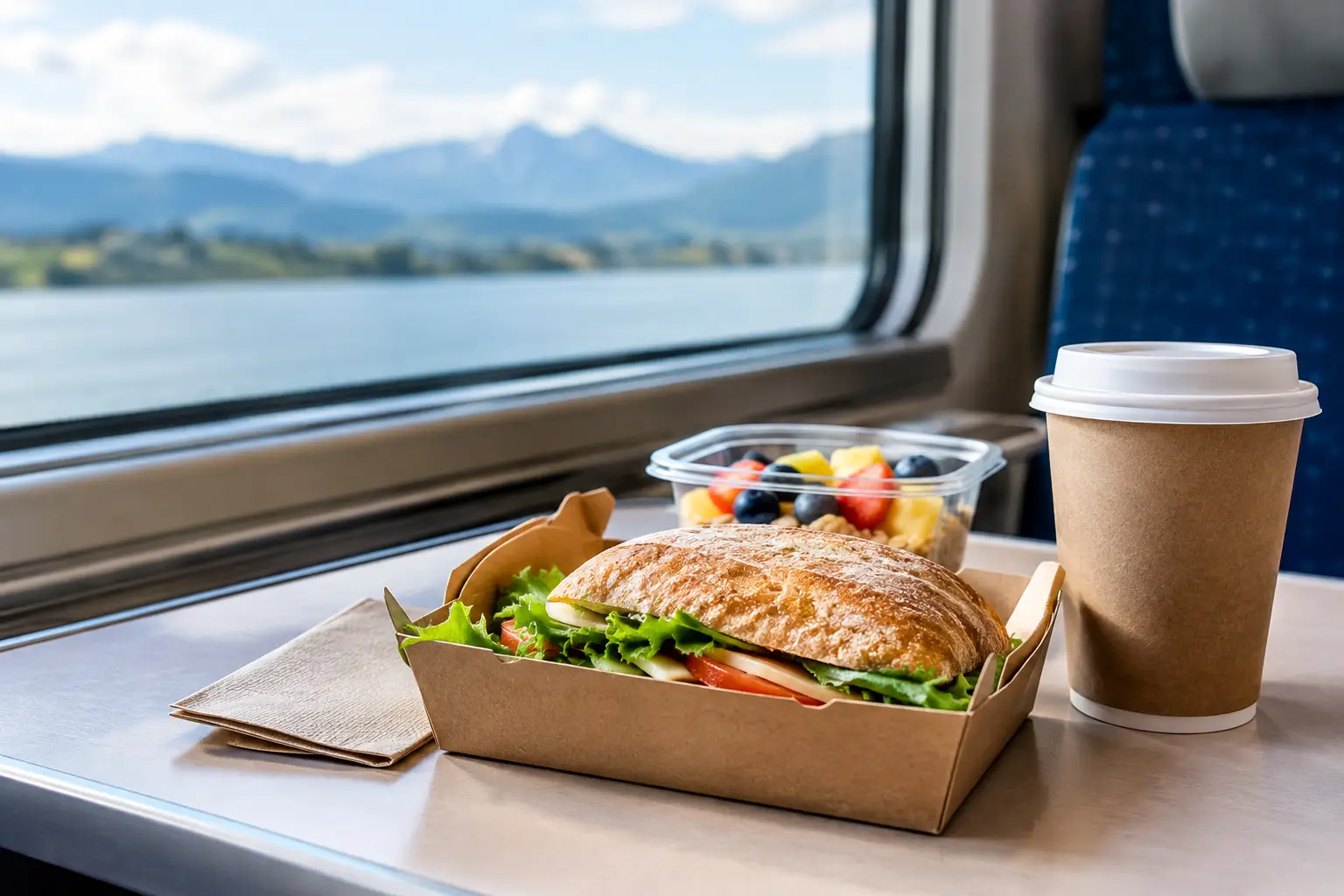
A good travel meal does more than quiet a hungry stomach. It gives a long platform wait, an early departure, or a few hours in a train seat a little more comfort. This guide to cafe travel meals is for the traveler who would rather begin with a real breakfast or a satisfying lunch than settle for whatever happens to be available after the doors close.
Travel food does not need to be fancy, but it should be chosen with care. The best option is fresh enough to feel like a proper meal, portable enough to manage with one hand, and packed thoughtfully enough to survive the trip without becoming a crumb-covered mess in your bag.
Start With the Length and Rhythm of Your Trip
The right cafe travel meal depends less on the clock than on the shape of the day ahead. A 40-minute ride to New London calls for something different than a morning journey to Boston or a connection-filled trip south. Think about when you last ate, when you are likely to have another reliable meal, and whether you will have room to sit and enjoy it before boarding.
For an early train, breakfast should carry you beyond the first stop. A sandwich with egg, cheese, and a protein is usually more sustaining than a pastry alone. Fresh-baked goods are a lovely companion to coffee, especially for a short ride, but they work best as part of breakfast rather than the whole plan when lunch is still hours away.
For midday travel, a made-to-order sandwich can be the sensible choice. It is familiar, filling, and generally easy to wrap and eat without a full table. If your train leaves close to lunch, ordering ahead can make the difference between eating calmly on the platform and rushing aboard with a meal you barely had time to choose.
Choose Foods That Travel Well
The most memorable cafe meals often arrive on a plate, but a travel meal has a different job. It needs to hold together. Bread should be sturdy enough to protect the filling, sauces should be moderate, and anything crunchy or delicate should be packed separately when possible.
A breakfast sandwich, bagel sandwich, wrap, or neatly cut deli sandwich tends to travel better than an open-faced meal or anything requiring a knife and fork. If you know you will be eating on the train, ask for it wrapped securely and consider whether you would prefer it cut in half. That small detail makes a meal much easier to share with a child or manage between a coffee and a phone.
There is room for a treat, too. A cookie, muffin, brownie, or other baked good is easy to tuck away for later, when the scenery has settled into a long stretch and a little something sweet sounds just right. The trade-off is that flaky pastries and heavily frosted desserts can be less forgiving in a backpack. Pack them flat, not upright beside a water bottle.
Build a Meal, Not a Pile of Snacks
Station snack shelves are useful, particularly when time is short. Still, a handful of snack foods can leave you hungry again before the next stop. A better approach is to build around one substantial item, then add one or two practical extras.
For example, pair a breakfast sandwich with fruit or a small baked good for a long morning. Pair a lunch sandwich with a simple snack for the afternoon. If you are traveling with family, one hearty item per person plus a few shareable snacks can be easier and more economical than trying to assemble separate meals from a dozen small packages.
Coffee deserves the same consideration. A fresh cup before boarding is one of the small pleasures of train travel, especially in a station with history in its walls. But a large hot drink may not be the right companion for a crowded car, a child in the next seat, or a day when you expect plenty of movement. In those cases, choose a size you can finish before departure, bring a cold drink for the ride, or make sure the lid is secure before you head to the platform.
Time Your Cafe Stop With a Little Breathing Room
Train travel has a way of making five minutes feel like thirty seconds. Platforms change, parking takes longer than expected, and a child may suddenly need the restroom just as your order is called. Give yourself enough time to order, receive your meal, and get settled before boarding begins.
For travelers departing Mystic, arriving 20 to 30 minutes ahead is often a comfortable target, especially if you want a fresh meal rather than a grab-and-go snack. On busier weekends and holiday periods, add more time. You do not need to spend that extra time standing anxiously with your bag. A station cafe is exactly the sort of place where waiting can feel like part of the outing.
At Mystic Depot Roasters, the old 1905 station makes that pause feel especially fitting: coffee roasting, breakfast on the way, and a train schedule just beyond the door. It is a practical stop, but it is also a chance to enjoy the kind of welcome that makes a trip feel as though it has already begun.
Pack for the Seat You Actually Have
Most travelers picture themselves eating at a roomy table. Sometimes that happens. Other times, the tray table is occupied by a laptop, the seatmate is sleeping, or the train is moving through a curve just as you unwrap lunch. Pack with the less glamorous version of the journey in mind.
Keep napkins, utensils, and a small packet of wipes within easy reach. Put the meal near the top of your bag, not underneath a sweater, book, charger, and souvenir. If you are carrying hot food, avoid sealing it inside a tightly packed insulated bag for too long. Steam can soften bread, and what was crisp when it left the cafe may be soggy by the time you find your seat.
For a longer ride, separate food into two moments. Eat the main meal within an hour or so of departure, then save the baked good or snack for later. This keeps the meal from feeling hurried and gives you something to look forward to without repeatedly opening your bag in search of food.
Consider Your Fellow Travelers
A considerate travel meal is better for everyone. Strong aromas, drippy sauces, loose salads, and loud packaging can turn a peaceful car into an awkward lunchroom. This does not mean your food must be boring. It simply means choosing something you can enjoy without needing a cleanup crew afterward.
If you are traveling with children, familiar foods and easy portions are your friends. Bring more napkins than you think you need, and avoid handing out several sugary snacks at once just before a long stretch with no chance to run around. A sandwich now and a cookie later is often a happier arrangement for the whole family.
Travelers with dietary needs should ask questions before ordering rather than hoping a packed meal will work out later. A good cafe can help identify ingredients, suggest a suitable option, or package items separately when that makes sense. The earlier you ask, the more choices you are likely to have.
Let the Meal Belong to the Journey
There is no rule that says a travel meal must be eaten in transit. If you have time, sit down before boarding. Watch travelers come and go, enjoy your coffee while it is hot, and carry a smaller snack for the ride. For some people, that is the better choice, especially on short trips where balancing lunch in a moving seat feels more like a chore than a pleasure.
On the other hand, eating on the train can be part of the fun. A well-wrapped sandwich, a favorite drink, and the view passing beyond the window make an ordinary ride feel pleasantly unhurried. The answer depends on your schedule, your appetite, and whether you are traveling to get somewhere quickly or traveling to enjoy the whole day.
Before you leave for the platform, take one last look in your bag: ticket, phone, charger, water, and the meal you will be glad you chose when the train starts to roll. That little bit of preparation leaves more room for the good part – the first sip of coffee, the first glimpse of the shoreline, and the welcome feeling of being on your way.
Follow For More
November 10, 2026
Specialty Coffee Versus Chain Coffee Explained
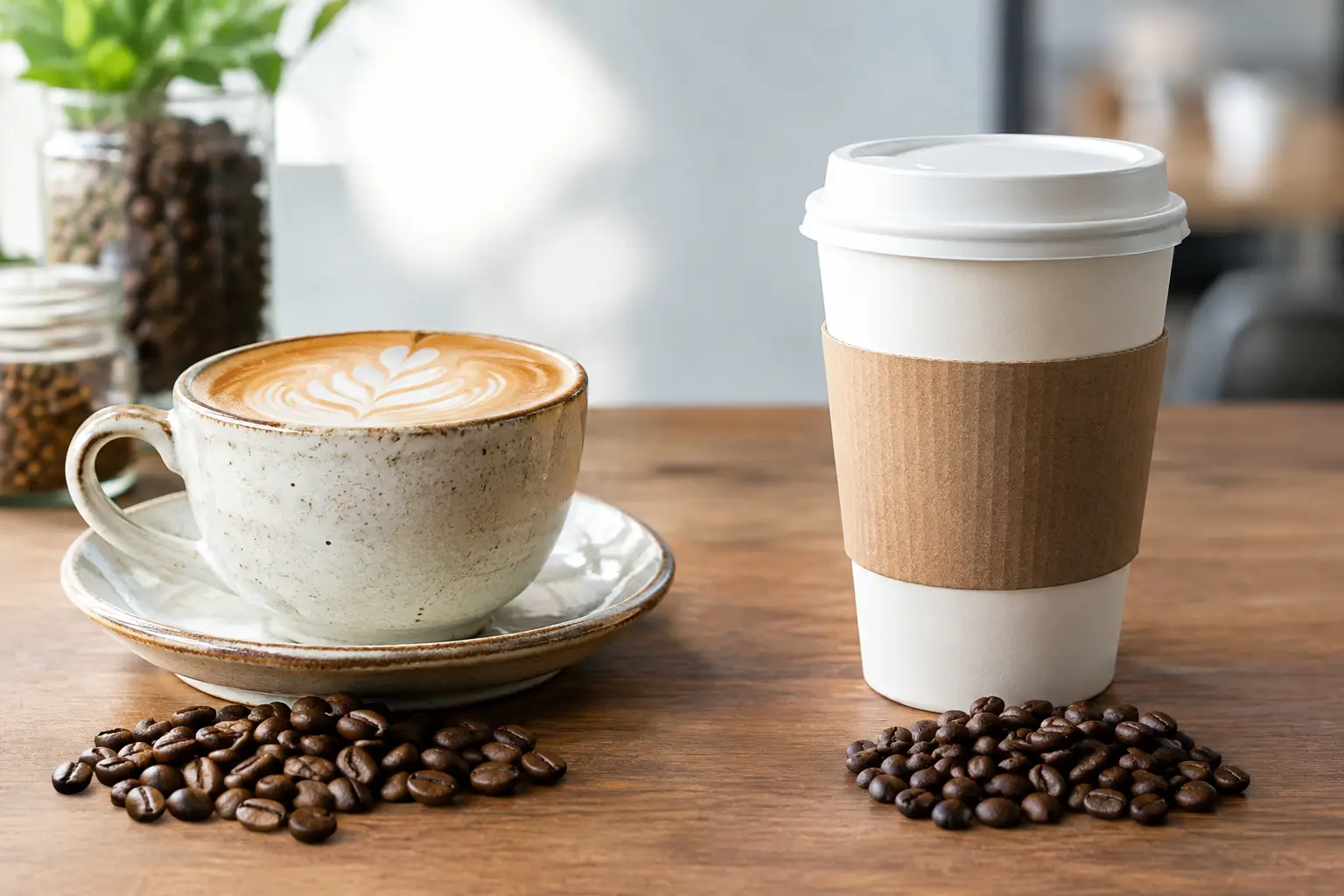
A coffee stop can be as routine as catching the morning train or as memorable as settling into a restored station with a warm breakfast and a cup made just the way you like it. That is where specialty coffee versus chain coffee becomes more than a question of logos or price. It is a choice about what is in the cup, who is making it, and whether the place feels like part of your day or simply a stop along the way.
Both have a place. A national chain can offer speed, familiarity, and the reassurance that a favorite drink will taste much the same in Connecticut, California, or anywhere in between. Specialty coffee shops tend to offer a closer look at the coffee itself, along with fresher roasting, more personal service, and a stronger sense of local character. The better choice depends on what matters most on that particular morning.
Specialty Coffee Versus Chain Coffee Starts With the Bean
Specialty coffee is not simply a fancier name for coffee. The term generally refers to coffee that has been carefully grown, harvested, processed, roasted, and brewed to preserve its distinct qualities. At its best, a cup may have a natural sweetness, a bright fruit note, a gentle nuttiness, or a chocolate-like finish. Those flavors come from the bean’s origin and handling, not from added syrups.
This attention begins long before a barista pulls a shot of espresso. Specialty roasters usually know where their beans come from, often down to a particular farm, cooperative, or region. They select coffees for quality, roast them in smaller batches, and adjust the roast profile to bring out the character of each bean. A coffee from Guatemala may show cocoa and caramel notes, while one from Ethiopia may be more floral or berry-like. Neither has to be better. They are simply different expressions of the same remarkable fruit.
Chains buy coffee at a much larger scale. That scale can make a reliable product available in countless locations, which is no small accomplishment. But it also requires blends and roasting approaches designed for consistency across a large system. Darker roasts are common because they create a bold, familiar flavor that holds up well in milk drinks and remains recognizable from one store to the next.
For someone who likes a smoky, dark cup with a generous splash of cream, that consistency may be exactly right. For a drinker who wants to notice the character of the bean, a lighter or medium specialty roast often offers more to explore.
Freshness Makes a Noticeable Difference
Coffee is at its most expressive not long after roasting. Whole beans need time to rest after roasting, but they gradually lose aroma and complexity as weeks and months pass. Grinding accelerates that change dramatically. A cup made from freshly roasted beans and ground moments before brewing can smell fuller and taste more lively than one made from coffee that has been sitting much longer.
That is one of the clearest differences customers often notice at an independent roaster. Fresh roasting gives the coffee a chance to speak for itself. It also gives the people making it more control. If a batch calls for a slight adjustment in grind, water temperature, or brew time, a skilled team can make that adjustment and keep the cup balanced.
Large chains have more moving parts: warehouses, distribution schedules, regional stores, and a wide selection of products. Their systems are built to serve many people quickly, and convenience is a real benefit. Still, the distance between roast date and cup can make freshness more difficult to prioritize at the same level as a local operation roasting for its own community.
Freshness is not a reason to look down on a simple cup of coffee. It is an invitation to taste more carefully. Even a familiar medium roast can reveal a smoother finish and sweeter aroma when it has been roasted and prepared with care.
The Drink Matters, Not Just the Coffee
A fair comparison has to include what customers actually order. If your usual drink is a large iced latte with vanilla, oat milk, and an extra shot, the bean’s subtle origin notes may not be the main event. In that case, a chain’s familiar menu, quick ordering process, and reliable customization can be genuinely useful.
Specialty coffee shops can make those drinks, too, often with more attention to espresso extraction and milk texture. The difference may show up in the balance. A properly pulled espresso can add sweetness and body rather than tasting bitter beneath the milk. Steamed milk can be velvety rather than merely hot. A seasonal flavor can complement the coffee instead of covering it up.
For a straightforward drip coffee, pour-over, cappuccino, or Americano, specialty coffee’s advantage is often easier to taste. There are fewer ingredients between the drinker and the bean. A well-brewed cup does not need to be sharp, overly bitter, or dressed up to be satisfying.
The best order is the one you will enjoy. Some mornings call for a plain hot coffee and a buttered muffin. Others call for a cold drink on the way to the beach, or a quick cup before boarding the train. Coffee should meet people where they are.
Service and Place Are Part of the Experience
Coffee is food and drink, but it is also hospitality. At a chain, a customer may appreciate knowing the menu, ordering ahead, and moving on with a busy day. The staff may be hardworking and friendly, yet the experience is designed around a standardized system.
At a neighborhood coffee shop, the pace can feel more human. Someone may remember that you take your coffee with a little cream, ask how your trip went, or point you toward a fresh-baked treat that pairs well with your drink. That recognition is not a marketing trick. It is what happens when regulars, visitors, commuters, and staff share the same gathering place over time.
In a town like Mystic, the setting matters, too. A cup from a historic train station carries a little more story than one handed through a drive-thru window. At Mystic Depot Roasters, coffee can be part of a larger pause: breakfast before a rail trip, lunch after a walk through town, or a familiar table where neighbors catch up. The building, the welcome, and the meal all add something to the cup.
That does not mean every coffee break needs to be an occasion. Sometimes fast is best. But when you have a few extra minutes, choosing a local café helps keep those distinctive places alive. It supports jobs, local relationships, and the old buildings that give a community its texture.
Is Specialty Coffee Always More Expensive?
It can be, but the answer is more complicated than the menu board suggests. Specialty beans cost more to source and roast carefully. Small-batch production, trained staff, and higher-quality ingredients all have a price. Yet a simple brewed coffee at an independent café may be quite reasonable, especially when compared with a heavily customized chain beverage.
Value is not only the lowest number on the receipt. It is whether the coffee tastes good, the food is satisfying, the service is kind, and the stop fits naturally into your day. A carefully made cup that you look forward to can feel like a better value than a cheaper drink you only tolerate.
There is also a practical middle ground. Try specialty coffee first in its simplest form: a small drip coffee, an Americano, or a classic latte. You do not need to know every tasting term or own a fancy brewer to enjoy it. Ask what is tasting especially good that day, and let the person behind the counter make a recommendation.
Choosing the Right Cup for Your Day
Choose a chain when predictable flavors, a familiar app, late hours, or a fast stop are the priorities. Those conveniences have earned their popularity, particularly for travelers and people on a tight schedule.
Choose specialty coffee when freshness, bean quality, thoughtful preparation, and a personal welcome matter more. It is especially worthwhile when you want to slow down enough to taste the difference or pair your coffee with a made-to-order breakfast, a sandwich, or something fresh from the bakery case.
The good news is that enjoying specialty coffee does not require rules. Start with the cup you already like, take a sip before adding anything, and notice what changes when the beans are fresh and the service is personal. A good coffee stop should leave you better prepared for the road ahead, with a little warmth to carry with you.
Follow For More
November 8, 2026
Top Breakfast Choices Travelers Can Count On
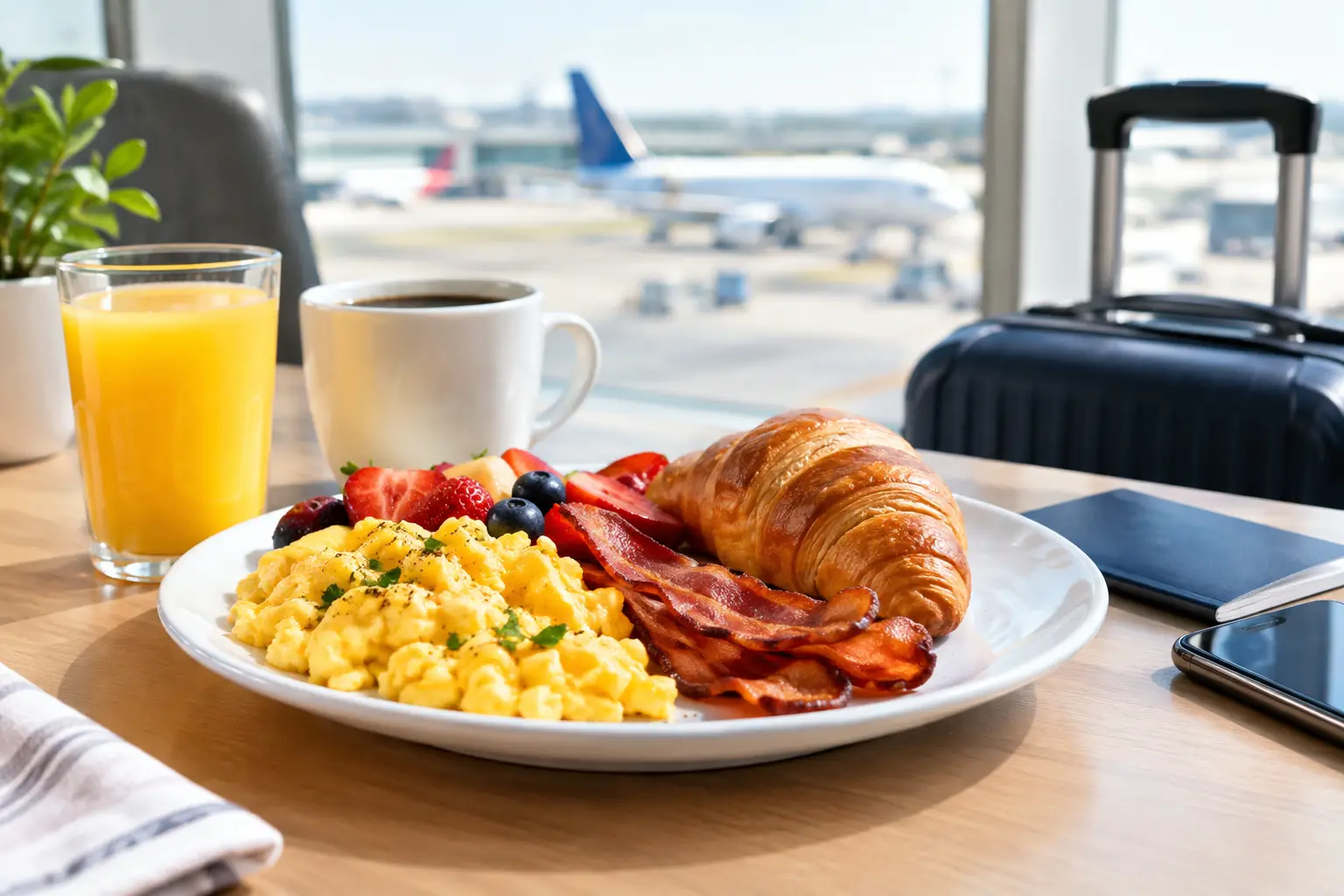
A train schedule has a way of making breakfast feel more important. Whether you are stepping off an early Amtrak, heading out for a day along the shoreline, or trying to get the family fed before Mystic’s shops and attractions open, a forgettable granola bar will only get you so far. The top breakfast choices travelers look for are simple: good coffee, food that holds you over, and a place that feels welcoming rather than rushed.
In a town built around the water, the rails, and the pleasure of taking your time, breakfast should do more than fill a gap in the morning. It should give you a comfortable place to land, a little local flavor, and the energy to enjoy what comes next.
What Makes a Traveler-Friendly Breakfast?
The best breakfast for a traveler depends on the day ahead. Someone catching a train in 15 minutes needs a warm coffee and something easy to carry. A couple with a full morning in Mystic may want a made-to-order plate and a chance to sit down before setting off. Parents traveling with children often need familiar food, reasonable prices, and a little patience from the people behind the counter.
That is why the strongest breakfast stops offer more than one kind of morning. They can move quickly when the schedule demands it, while still making room for the unhurried visitor who wants to enjoy the setting. Freshness matters, but so does dependability. When you are away from home, it is a relief to find a breakfast that is made with care and served without fuss.
Coffee comes first for many mornings
For plenty of travelers, the first decision is not food at all. It is coffee. A well-made cup can turn a pre-dawn departure, a long drive, or a delayed connection into a much better start.
Look for coffee that is freshly roasted and thoughtfully prepared, whether you prefer a straightforward drip coffee, an espresso drink, or a gentler decaf. The point is not to make breakfast complicated. It is to have a cup worth pausing for, especially when the morning is already moving fast. Good coffee also pairs beautifully with nearly every breakfast choice, from a buttery pastry to a full plate of eggs.
The Top Breakfast Choices Travelers Return To
There is no single perfect travel breakfast. The right choice comes down to your appetite, your timing, and whether your next stop is a train seat, a walking tour, or a long ride home. Still, a few dependable categories earn their place on any breakfast menu near a station or destination town.
Made-to-order egg breakfasts for a full day ahead
When sightseeing is the plan, eggs are hard to beat. A hot breakfast with eggs, potatoes, toast, and other satisfying sides offers the kind of staying power that makes it easier to skip the midmorning scramble for snacks.
This is the choice for travelers who have time to sit and want a proper start to the day. It is especially useful before a visit to Mystic Seaport, a stroll through downtown, or a drive along the Connecticut and Rhode Island shoreline. A made-to-order breakfast also gives you room to choose what suits you: lighter and simple, or hearty enough to carry you through lunch.
The trade-off is time. If boarding begins soon, a plated breakfast may not be the wisest choice. But when the schedule allows, it is one of the nicest ways to settle into a new place.
Breakfast sandwiches for the platform and the road
A breakfast sandwich is the practical hero of travel mornings. It is warm, filling, portable, and easy to eat with one hand while you are checking your departure time with the other. Egg, cheese, and a favorite breakfast meat on a good roll or bagel is familiar for a reason.
For commuters, this is often the everyday order. For visitors, it can be the smart middle ground between a quick pastry and a full sit-down meal. It works well for an early train, a hotel checkout morning, or a drive toward the beach.
The difference between an average breakfast sandwich and a memorable one is freshness. When the egg is cooked to order, the bread has some character, and the sandwich arrives hot, it feels like a real breakfast rather than an afterthought wrapped in paper.
Fresh-baked goods when a lighter bite is enough
Some mornings call for a muffin, scone, croissant, or other fresh-baked treat alongside coffee. Maybe you ate late the night before. Maybe the kids are hungry now but everyone else is still waking up. Or maybe you simply want to save room for a seafood lunch later in the day.
A bakery case gives travelers flexibility. Choose one item for the ride, pick up a few things to share, or bring a little something back to the hotel. Fresh-baked goods are also a good answer for people who want breakfast without committing to a large meal.
That said, pastries alone may not carry you through a busy morning. Add fruit, yogurt, or a breakfast sandwich if you know you will be walking, traveling, or out for several hours. There is nothing wrong with a sweet breakfast, but it helps to be honest about what your day requires.
Familiar favorites for families and picky eaters
Travel can be exciting, but it can also throw off routines. That is why recognizable breakfast foods matter. Toast, bagels, eggs, pancakes, simple sides, and kid-friendly options help make a new place feel easier for everyone at the table.
Families do not always need a grand brunch experience. Often, they need a spot where adults can enjoy a good cup of coffee, children can find something they recognize, and nobody feels hurried for asking a question or changing an order. The best local breakfast places understand that hospitality is part of the meal.
A small take-along snack for later
One of the most overlooked breakfast choices is the extra item tucked into your bag for later. A cookie, packaged snack, piece of fruit, or another bakery item can come in handy when a train ride runs long or a museum visit pushes lunch later than expected.
It is a modest thing, but seasoned travelers know its value. A little backup snack can prevent a hungry mood from taking over a perfectly good day. If you are traveling with children, it can feel even more essential.
Breakfast Near the Train Should Feel Like Part of the Trip
A station-area meal does not have to be impersonal. In fact, a historic depot is one of the best places for a breakfast stop because it already holds the feeling of arrival and departure. There is a certain pleasure in eating where generations of travelers have paused, checked the time, and watched the day begin.
At Mystic Depot Roasters, breakfast is served inside the restored 1905 Mystic Amtrak station, where the railroad setting is not just decoration. It is part of the experience. Travelers can enjoy specialty craft coffee and made-to-order food in a building with real local history, while regulars stop in for the familiar orders and friendly faces that make a neighborhood café feel like home.
For visitors, that combination can be more meaningful than grabbing food from a highway exit or a chain counter. You are not merely getting breakfast near the station. You are spending a little time in one of Mystic’s landmarks.
How to Choose Well When Time Is Short
A good travel breakfast starts with an honest look at the clock. If your train leaves soon, order something portable and leave a few minutes for boarding. If you have a full morning, choose the meal that will keep you comfortable through your plans rather than the quickest thing available.
It also helps to think about everyone in your group. One person may want a hearty egg breakfast, another may be happy with coffee and a pastry, and a child may need something plain and familiar. A café with choices lets each person have the morning they need without turning breakfast into a negotiation.
The top breakfast choices travelers remember are rarely the fanciest ones. They are the meals that arrive warm, taste fresh, fit the day ahead, and come with a genuine welcome. Before your next train ride or Mystic morning, give yourself enough time for that kind of start.
Follow For More
November 6, 2026
Breakfast Foods for Commuters That Travel Well
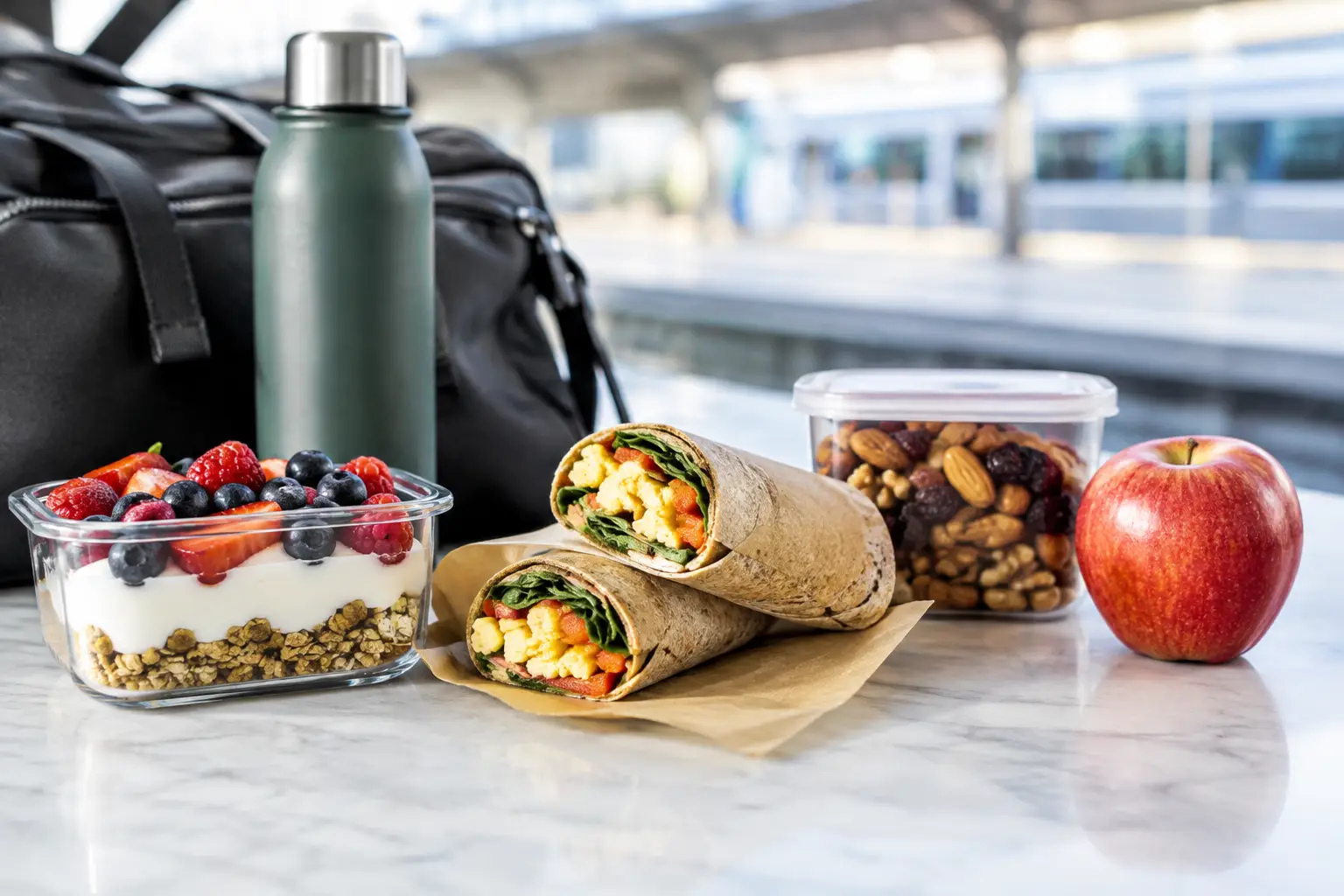
The platform is quiet for about a minute, then the train rolls in, a meeting reminder flashes on your phone, and suddenly breakfast has to do more than taste good. The best breakfast foods for commuters are made for that real-life moment: easy to carry, satisfying enough to hold you over, and not likely to leave crumbs on your coat or coffee on your paperwork.
A rushed morning does not call for a joyless one. Whether you are heading out of Mystic by rail, driving toward Groton, opening a shop, starting a hospital shift, or bringing the kids to school before work, breakfast can still feel like a proper meal. The trick is choosing food that matches the way you travel.
What Makes a Commuter Breakfast Worth Carrying?
A commuter breakfast has three jobs. It needs to be portable, filling, and reasonably tidy. That sounds simple, but plenty of morning choices only meet one or two of those needs. A pastry may travel beautifully but leave you hungry an hour later. A big plated breakfast may be delicious, but it is better saved for a morning when you have time to sit down and enjoy it.
Start with staying power. Protein and fiber are what turn breakfast from a quick bite into fuel for the stretch between your first cup of coffee and lunch. Eggs, yogurt, nut butter, cheese, whole grains, and fruit all help. You do not need a nutrition lecture before sunrise, but you do deserve something that will not have you hunting for a vending-machine snack at 10:30.
Then consider the container test. Could you hold it in one hand while checking a timetable, buckling a child into a car seat, or walking from the parking lot to your desk? A good commuter meal is not necessarily tiny. It is simply built to stay together.
Choose a Breakfast With a Little Structure
Breakfast sandwiches are a natural fit because they offer protein, carbohydrates, and a manageable shape in one package. They are especially useful for rail riders and drivers who have a predictable commute but little time to spare. If you will be eating right away, a warm egg sandwich can be a full, comforting start. If it will be 20 minutes before you take a bite, ask for it wrapped well and keep it level in a bag.
Burritos and wraps can work just as well, particularly when the filling is not overly saucy. Their trade-off is heat and texture. A wrap that sits too long may become soft, while a sandwich on a sturdier roll often holds its shape better. Neither is automatically the better choice. It depends on how long your trip is and whether you can eat before you leave.
For a lighter morning, a bagel with a filling spread, a yogurt-and-fruit option, or a fresh-baked muffin paired with something protein-rich can make sense. The pairing matters. A muffin and coffee can be a lovely treat, especially on a short ride, but it may not carry a physically demanding worker through a long morning on its own.
Breakfast Foods for Commuters Should Match the Route
The ideal breakfast changes with the commute. A person catching an early train may want something they can eat after boarding, while a driver may prefer a meal that is finished before the car starts moving. Anyone with a short walk from the station to an office has more flexibility than someone facing an hour on the road.
If you are traveling by train, choose foods that are quiet, compact, and easy to unwrap. Skip anything that requires a knife and fork unless you have time to enjoy it before departure. A breakfast sandwich, a bagel, or a baked good packed alongside fruit is usually a better companion than a breakfast that needs to stay perfectly hot or carefully arranged.
For drivers, the safest plan is to eat before pulling out or wait until you arrive. Coffee may belong in the cup holder, but breakfast deserves your attention, too. A wrapped item can be useful for the parking lot or your desk, yet no meal is worth taking your focus off the road.
For shift workers, the calendar matters less than the timing. An early nurse, hotel employee, tradesperson, or restaurant worker may need breakfast well before many kitchens are awake. In that case, dependable availability is almost as valuable as the food itself. Knowing there is a familiar place where the coffee is fresh and the morning order is handled with a smile can take one decision off a very full plate.
Do Not Let Coffee Pretend to Be Breakfast
A carefully made coffee can make the morning feel possible. It can be part of breakfast, and for many people it is a cherished part. But coffee alone is rarely enough for a long commute, especially if your first real meal is still hours away.
Try thinking of coffee as the companion rather than the substitute. A hot coffee with an egg sandwich is a steady classic. Iced coffee with a bagel or a yogurt option can be more comfortable on a warm shoreline morning. If your stomach is sensitive before an early departure, a smaller coffee with food may be a better choice than a large drink on an empty stomach.
There is also a practical reason to order thoughtfully: temperature. A piping-hot drink and a packed train or busy car do not always mix. Leave a little room, secure the lid, and give yourself an extra minute before rushing out the door. Small habits like that protect both your breakfast and your morning mood.
Build a Routine That Still Feels Personal
The easiest commuter breakfast is often the one you have planned before the alarm rings. That does not mean eating the same thing every day. It means knowing your reliable choices: a hearty sandwich for long days, a baked good for a quick Friday departure, or a simpler option when you know lunch will come early.
Ordering ahead can help when the morning is especially tight, but a good routine should leave room for the unexpected. Maybe the train is delayed, a child needs another five minutes, or the first meeting moves up. Keeping a shelf-stable snack in your work bag can bridge the gap, while a freshly prepared breakfast gives you a better start when time allows.
At Mystic Depot Roasters, that rhythm is part of life in a working train station. Some guests are headed for the platform, some are on their way to work nearby, and some are beginning a day of exploring Mystic. The shared need is simple: a warm welcome, good coffee, and food that makes a busy morning feel a little more manageable.
A Few Trade-Offs Are Worth Making
The messiest breakfast is not always the wrong breakfast. If you have ten peaceful minutes at a table before departure, enjoy the meal you actually want. A made-to-order plate, warm baked goods, and a second cup of coffee are part of what makes an unhurried morning special.
But when the schedule is tight, choose convenience on purpose rather than settling for whatever is closest to the register. Look for food with protein, a sturdy wrap or container, and a portion that suits the time until your next meal. Save delicate, syrupy, or fork-required choices for days when you can sit and savor them.
The best commuter breakfast is not a perfect formula. It is the one that fits your route, keeps you comfortable, and gives you a small moment of care before the rest of the day asks for your attention. Tomorrow morning, give yourself that extra minute to choose something you will be glad you brought along.
Follow For More
November 4, 2026
Local Cafe Versus Coffee Chains: What Feels Better?

A coffee stop can be a quick transaction, or it can become part of the rhythm of a town. That is the real difference in the local cafe versus coffee chains conversation. One may offer the comfort of knowing exactly what to expect anywhere you go. The other can offer a place where the person taking your order knows your usual, the breakfast is made to order, and the building has stories worth lingering over.
For folks who live along the southeastern Connecticut shoreline, commute through Mystic, or arrive with a suitcase at the station, both kinds of coffee stops have their place. The better choice depends on what you need that morning: speed, familiarity, a good sandwich, a place to meet a friend, or a small moment that feels distinctly Mystic.
Local Cafe Versus Coffee Chains: The Everyday Difference
Coffee chains earned their following for good reasons. Their menus are recognizable, their apps can make ordering efficient, and a traveler can walk into a location hundreds of miles from home and know what a favorite drink will taste like. When you are headed to an early appointment, traveling in unfamiliar territory, or simply craving one specific drink, that consistency is useful.
A local cafe works from a different starting point. Instead of trying to feel the same in every town, it reflects the town it serves. The menu can make room for the breakfast sandwich a regular requests every week, the baked good that pairs especially well with a dark roast, or a lunch special that makes sense for nearby workers. Service is often less scripted, too. A friendly greeting, a remembered preference, and a little patience can turn a necessary coffee run into a welcome pause.
That does not mean every local cafe is automatically better at every task. A chain may have later hours, more locations, or a rewards system that suits someone who is constantly on the road. A neighborhood spot may be busier during the morning rush or offer a more focused menu. The worthwhile question is not whether one model wins every time. It is what kind of experience you want your coffee money to support.
A Cup of Coffee Can Carry a Sense of Place
In a historic town, setting matters. Coffee tastes different when it comes with a view of a familiar street, the sound of trains arriving, or a seat in a building that has welcomed people for generations. A chain café is designed to be dependable. A local café can be memorable because it belongs exactly where it is.
Mystic Depot Roasters operates inside the restored 1905 Mystic Amtrak station, a place built around arrivals, departures, and neighbors crossing paths. That setting is not decoration added after the fact. It is part of the experience. A traveler can pick up breakfast before boarding. A local can meet a friend for lunch. A family visiting Mystic can grab coffee and a treat while taking in a piece of the town’s working history.
There is real value in preserving a landmark by keeping it useful. An old station does not need to become a museum behind a rope. When it is filled with the scent of fresh coffee, the clatter of breakfast plates, and the regulars who stop in on their way to work, it stays connected to the community that built its story.
Familiarity Is More Than a Logo
Chains create familiarity through branding. The cup, menu language, and ordering process are meant to feel known before you enter. Local places create familiarity through people. The barista remembers that you take your coffee black. Someone asks how your daughter’s soccer game went. A visitor gets an honest recommendation for a breakfast they can carry to the platform.
That personal touch is not flashy, but it matters. It makes a solo commuter feel recognized and helps an out-of-town guest feel less like they are guessing their way through a new place. Good hospitality is practical: it gets the order right, keeps things moving, and treats every customer as someone worth welcoming.
Fresh Food Changes the Choice
Coffee may be the reason you walk in, but food is often the reason you return. This is one area where the difference between local cafés and chains can be especially clear. Many chains are built around drinks first, with food designed for broad distribution and fast assembly. That can be convenient, particularly when time is short.
A café with a full kitchen can make a stronger case for staying awhile. Fresh-baked goods, made-to-order breakfast, sandwiches prepared for lunch, and a dessert case that gives you one more reason to bring a friend all expand what a coffee stop can be. For a parent feeding hungry kids, a rail passenger needing a real meal, or a local worker squeezing lunch into a busy day, that range makes a difference.
Reasonable prices matter here as well. A specialty coffee does not have to feel like a luxury purchase, and a good breakfast should not require a special occasion. The best neighborhood cafés balance quality with the everyday needs of the people around them. They understand that the guest picking up a muffin on Tuesday morning may also be the person ordering lunch for visiting relatives on Saturday.
The Menu Can Reflect the Neighborhood
Local ownership gives a café room to listen. If customers want more hearty breakfast choices, grab-and-go snacks for train riders, or familiar treats for an afternoon pick-me-up, the people making decisions are nearby. They see what sells, hear what regulars ask for, and understand the pace of the seasons.
That flexibility is not always visible from the counter, but customers feel it. The menu seems made for real life in the area rather than copied from a national playbook. It may include the kind of easy, satisfying food that works after a walk around Mystic, before a shift, or during a long catch-up with an old friend.
Where Your Daily Spend Goes
Choosing a local café is also a choice about the shape of a community. Independent businesses hire local people, work alongside neighboring shops and attractions, and give residents another reason to spend time downtown. They help create the lively, walkable feeling visitors hope to find when they come to a coastal New England town.
Of course, a single coffee purchase will not solve every challenge a small business faces. But habits add up. The weekday drip coffee, the breakfast sandwich before the train, the gift card for a teacher, and the box of treats brought to the office all help keep local gathering places open and active.
There is a ripple effect in choosing a place with roots. Visitors receive an experience they cannot duplicate at home. Residents retain a meeting spot that feels like theirs. Historic buildings gain a practical future. Even the simple act of sitting with a cup of coffee can become a quiet vote for the character of a town.
When a Chain Makes Sense – and When Local Wins
There is no need to pretend a chain café has no purpose. If you are driving a long distance and want a familiar mobile order, if you need a location with a particular schedule, or if a specific menu item is your small comfort on a hard day, a coffee chain can do its job well. Convenience is a real form of service.
But when you have the choice, a local café offers something a national brand cannot ship in: local knowledge, a distinct setting, and the chance to be part of the life happening around you. It is where coffee can become breakfast with your neighbor, a send-off for a traveling friend, or a warm place to wait for the next train.
The next time you are deciding where to stop, let the moment guide you. If you need predictable speed, take the easy route without guilt. If you have ten extra minutes, choose the place with the fresh pot, the familiar face, and a story in its walls. You may leave with more than coffee.
Follow For More
November 2, 2026
Traveler Dining Experiences Start at the Station

A train station has always been more than a place to watch the clock. It is where early mornings begin, reunions take shape, and a trip gets its first real sense of place. The best traveler dining experiences honor that feeling. They give people more than something quick to eat. They offer a good cup of coffee, a fresh meal, a comfortable seat, and the welcome relief of being looked after.
For visitors arriving in Mystic or locals catching a train out of town, food can set the tone for the whole day. A hurried pastry grabbed at the last minute may do the job. But a made-to-order breakfast, a warm baked good, or a sandwich packed for the ride can make travel feel less like a logistical exercise and more like part of the occasion.
Why Traveler Dining Experiences Matter
Travel has a way of making ordinary needs feel more immediate. You may be running on an early alarm, carrying bags, keeping an eye on departure times, or trying to feed a family before the next stop. In those moments, convenience matters. So does knowing that the food will be fresh, the coffee will be worth drinking, and someone will greet you with patience instead of making you feel like you are in the way.
That balance is what separates a memorable stop from a forgettable transaction. Travelers do not always need a formal meal, but they do want choices that fit the moment. A commuter may need a familiar coffee and breakfast sandwich they can carry aboard. A couple spending the day in Mystic may want to settle in over breakfast before heading toward the shops and waterfront. A family needs food that is dependable, reasonably priced, and easy to enjoy without turning the schedule upside down.
There is also the matter of place. A meal at a generic counter could happen anywhere. A meal in a historic station, surrounded by the character of a town, gives visitors a story to take with them. That is especially true in a destination like Mystic, where the best days are often built from small pleasures: a walk by the water, a conversation with a shopkeeper, a good lunch, and time that does not feel overplanned.
Good Travel Food Is Built Around Timing
The right meal depends on where a person is in the journey. Before departure, travelers tend to value speed, portability, and coffee that can carry them through the first leg of the day. After arrival, they may be ready for something more relaxed: breakfast at a table, lunch with a friend, or a treat to mark the start of a getaway.
That is why an all-day café menu is so useful in a station setting. It makes room for both kinds of travelers without asking anyone to fit one narrow idea of what a meal should be. A fresh-baked muffin can be the right answer at 6:45 a.m. A hearty breakfast plate may be better when there is time to linger. Later in the day, a sandwich, soup, or dessert can turn an afternoon stop into a proper pause.
Quality does not have to mean slow service, and speed does not have to mean settling for less. The sweet spot is food prepared with care but organized around real life. Travelers appreciate a clear menu, friendly help when they are unsure what to order, and a staff member who understands that catching a train is different from spending a leisurely Saturday morning.
Before the Train: Make the Morning Easier
The morning traveler has a particular set of needs. Coffee comes first for many people, but it should be coffee with character, not an afterthought poured from a pot that has been sitting too long. Freshly roasted specialty coffee gives an early departure a better start, whether someone takes it black, adds a little cream, or prefers a carefully made espresso drink.
Food should be satisfying enough to prevent the mid-morning slump without becoming difficult to carry. Breakfast sandwiches, baked goods, and familiar favorites work well because they are comforting and practical. Travelers with a little extra time may choose a fuller breakfast, especially when the station itself is part of the experience.
A good rule of thumb: if your train is coming soon, order something made for the trip and leave room for a few minutes of calm. If you have time to spare, sit down. The view of the platform, the movement of arriving passengers, and the steady rhythm of a station can be a fine way to begin the day.
After Arrival: Let the Town Welcome You
Arriving hungry can make even a beautiful destination feel less inviting. A café near the tracks gives visitors a natural first stop, particularly if hotel check-in is still hours away or the day’s plans have not fully taken shape.
This is where local food service can do something larger than fill an order. It can help orient people. A friendly recommendation, a familiar breakfast, or simply a clean, welcoming place to sit gives travelers a chance to gather themselves before heading out. It is hospitality in the old-fashioned sense: practical, personal, and offered with a smile.
For Mystic visitors, that first stop can also be a gentle introduction to the area’s character. Historic buildings, working rail lines, independent businesses, and generations of residents all belong to the town’s story. Eating in a restored depot is not a performance of history. It is a chance to enjoy a building that still has a useful role in everyday life.
What Makes a Station Café Feel Local
The most appealing traveler dining experiences are not created by décor alone. Historic details matter, but they need to be paired with genuine service and food people actually want to eat. A beautiful room cannot make up for stale pastries, confusing ordering, or an impersonal welcome.
A local station café earns trust through the everyday details: ingredients prepared fresh, portions that feel fair for the price, coffee made with attention, and staff who treat regulars and first-time guests with the same kindness. Visitors notice when a place has real roots. They can tell when employees know the neighborhood, when locals stop in on their way to work, and when the menu reflects what people return for again and again.
Mystic Depot Roasters was built around that kind of station hospitality. Inside the restored 1905 Mystic Amtrak station, the goal is simple: serve good food and craft coffee in a setting that belongs to the community. The depot’s history is part of the room, but the welcome is meant for right now – for the commuter with five minutes, the family spending the day in town, and the neighbor who already knows what they would like to order.
A Better Way to Plan the Meal Around the Trip
Travelers can make the day easier by treating meals as part of the itinerary rather than an interruption. If you are leaving on an early train, arrive with enough time to order without watching the clock anxiously. Choose food that travels well if you plan to eat onboard, and save a few minutes for coffee before boarding.
If you are arriving in Mystic, consider making breakfast or lunch your first stop instead of trying to race directly into a full day of sightseeing. It gives everyone a chance to reset, especially children, older relatives, and anyone who has been traveling since dawn. The rest of the day usually goes better when nobody is hungry.
There are trade-offs, of course. A full sit-down meal may not fit a tight connection, while a quick grab-and-go choice may be exactly right. Rain, delayed trains, and group schedules can change plans quickly. The best dining stop is the one that meets the moment without adding stress.
A station meal will not replace the thrill of arriving somewhere new or the comfort of heading home. It can, however, make both feel a little warmer. When fresh food, good coffee, and a neighborly welcome are waiting near the tracks, there is no need to rush past the start of the story.
Follow For More
October 31, 2026
Mystic Heritage Dining Guide for a Memorable Day
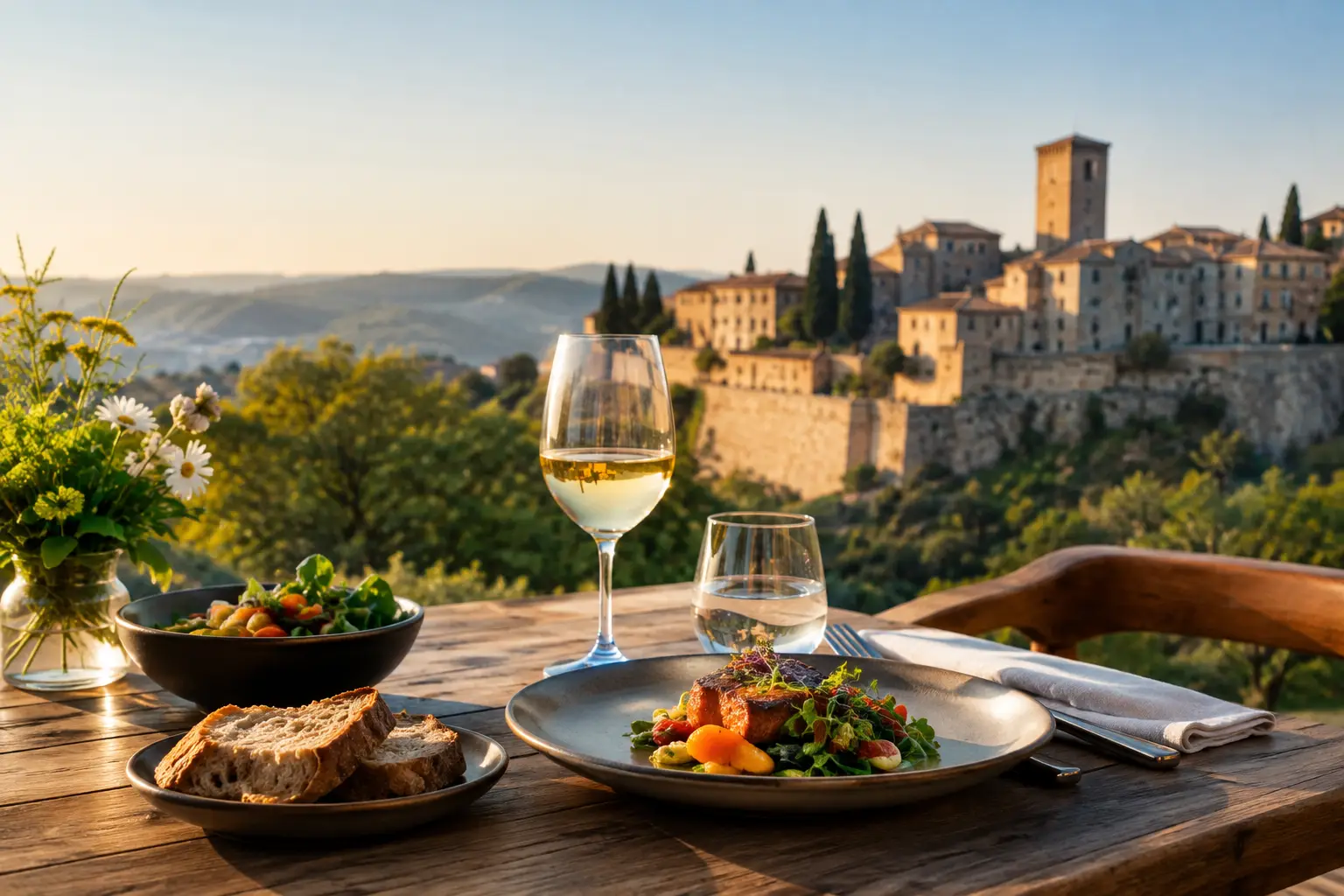
A good Mystic heritage dining guide begins before the first bite. It starts with the places that give a meal its setting: a working train station, a weathered wharf, a downtown street built for strolling, or a table where the windows catch the salt-air light. In Mystic, food is part of the day’s rhythm, whether you are arriving by rail, heading out on the water, meeting a neighbor for coffee, or taking the family for a walk after breakfast.
This is not a town that asks visitors to choose between a practical meal and a sense of place. The best plan is often simple: eat where the day already takes you, leave room for something sweet, and allow enough time to look around.
What Heritage Dining Means in Mystic
Heritage dining is not about making every meal formal or treating history like a museum display. It is about noticing the stories already present in a building, a street, and the people who return there week after week. In a town shaped by maritime trade, rail travel, fishing, and summer visitors, the most memorable meals tend to feel connected to the surroundings.
That connection can show up in small ways. A quick breakfast has more character when it is served steps from a platform where travelers still come and go. Lunch feels different after a morning along the river. A cup of coffee becomes a welcome pause when the person behind the counter knows what regulars usually order and is glad to help first-time visitors find their footing.
The food still has to do its job. Travelers need something dependable before a train. Parents need an easy option that works for different appetites. Locals want fair prices and the kind of consistency that makes a weekday stop worthwhile. Heritage is the extra layer, not a substitute for a fresh sandwich, a well-made breakfast, or a baked good worth bringing home.
Start Where the Town Is Moving
For many visitors, the historic train depot is a natural first stop. Mystic Depot Roasters operates inside the restored 1905 Mystic Amtrak station, where the building’s original purpose remains part of the experience. You can pick up freshly roasted specialty coffee and a made-to-order breakfast before boarding, or settle in for lunch after a ride into town.
This setting is especially useful because it serves two kinds of days equally well. If you are on a schedule, a straightforward coffee-and-breakfast stop can make travel feel easier. If you have time, the station offers a chance to slow down and enjoy a landmark that is still serving its community. The difference matters: a historic building should feel lived in, not merely looked at.
Breakfast is often the smartest place to begin. Early mornings in Mystic have a quieter pace, particularly before the busiest visitor hours. Choose a hearty plate if you are planning to walk downtown, visit the seaport area, or spend time outdoors. If you are catching a train or making a quick commute, coffee and a fresh-baked item may be the better fit. There is no prize for ordering the biggest meal. The right choice depends on your plans and how much room you want to save for later.
Make Time for the In-Between Moments
The strongest dining days are rarely packed from one reservation to the next. Leave space for the in-between moments: a second coffee, a bench by the water, a snack shared in the car, or a look through a small display of local gifts and nostalgic treats.
Those pauses are part of why casual cafes matter in a destination town. They offer a place to regroup without turning every stop into a major event. For residents, that might mean a familiar lunch break. For day-trippers, it can be the spot that makes the whole visit feel less rushed.
Build a Day Around the Waterfront, Not a Checklist
Mystic is easy to over-schedule. Visitors sometimes arrive with a long list of places to see, then discover that the best part of the day was wandering toward the river, watching the drawbridge, or ducking into a shop they had not planned to visit. Dining works better when it follows that same spirit.
After breakfast, walk toward downtown and let the waterfront set the pace. The area’s maritime character is strongest when you give yourself time to notice working boats, historic architecture, and the everyday movement of people through town. A midday meal can be simple and satisfying: a sandwich, a salad, soup on a cooler day, or something easy to carry if you would rather eat outside.
There is a trade-off between convenience and lingering. A grab-and-go lunch gives you more time for sightseeing, while a seated meal creates room for conversation and a rest. Neither is the wrong choice. Families with young children may appreciate the flexibility of a casual cafe. Couples on a slower visit may want to stretch out the afternoon. Rail passengers should keep an eye on departure time and choose something they can enjoy without worry.
When choosing where to eat, look for signs that a place serves the town as well as its visitors. Regulars stopping in after work, staff greeting people by name, and a menu that makes sense on an ordinary Tuesday are all good indicators. A restaurant can be popular with travelers and still feel genuinely local. In fact, that balance is part of Mystic’s appeal.
A Practical Mystic Heritage Dining Guide for Every Season
Mystic changes with the calendar, and a dining plan should change with it. In summer, earlier meals can help you get ahead of crowds and leave the warmest part of the day for the water. Cold drinks, lighter lunches, and baked goods for later travel well when the day is full.
Fall is made for a more leisurely schedule. The air invites longer walks, and a hot coffee or a comforting breakfast becomes part of the outing rather than a quick necessity. It is an especially good season for bringing visiting friends somewhere with a real local story behind it.
Winter rewards the reliable stop. When wind comes off the water and daylight fades early, a warm drink and a familiar meal can feel like a small kindness. This is when neighborhood places matter most to the people who live nearby, work nearby, or pass through on a regular commute.
Spring brings a welcome sense of return. It is a fine time to take an unhurried morning trip, watch the town wake up for the season, and choose a lunch spot with enough character to make a regular weekday feel like an occasion.
Bring Home More Than a Photo
A heritage-minded food stop can extend beyond the table. Fresh-baked goods make an easy gift for someone at home, and a bag of coffee is a practical reminder of a trip that does not need to sit on a shelf. Small snacks and local-style gifts are equally useful for train travelers who want something to enjoy along the way.
For hosts, a gift card can be a thoughtful way to share a favorite neighborhood place with a new resident, a coworker, or a friend visiting the shoreline. It is a simple gesture, but it encourages the kind of return visit that keeps a community gathering place active.
The best souvenir, though, is often the memory of being well received. A meal becomes part of the story of Mystic when it comes with a warm welcome, an unhurried moment, and a setting that could belong nowhere else.
So plan enough to arrive hungry, but leave a little room for discovery. Order the breakfast that suits your morning, take the coffee break when you need it, and let a historic corner of town give the day its own direction.
Follow For More
October 29, 2026
A Neighborly Guide to Specialty Coffee at Home
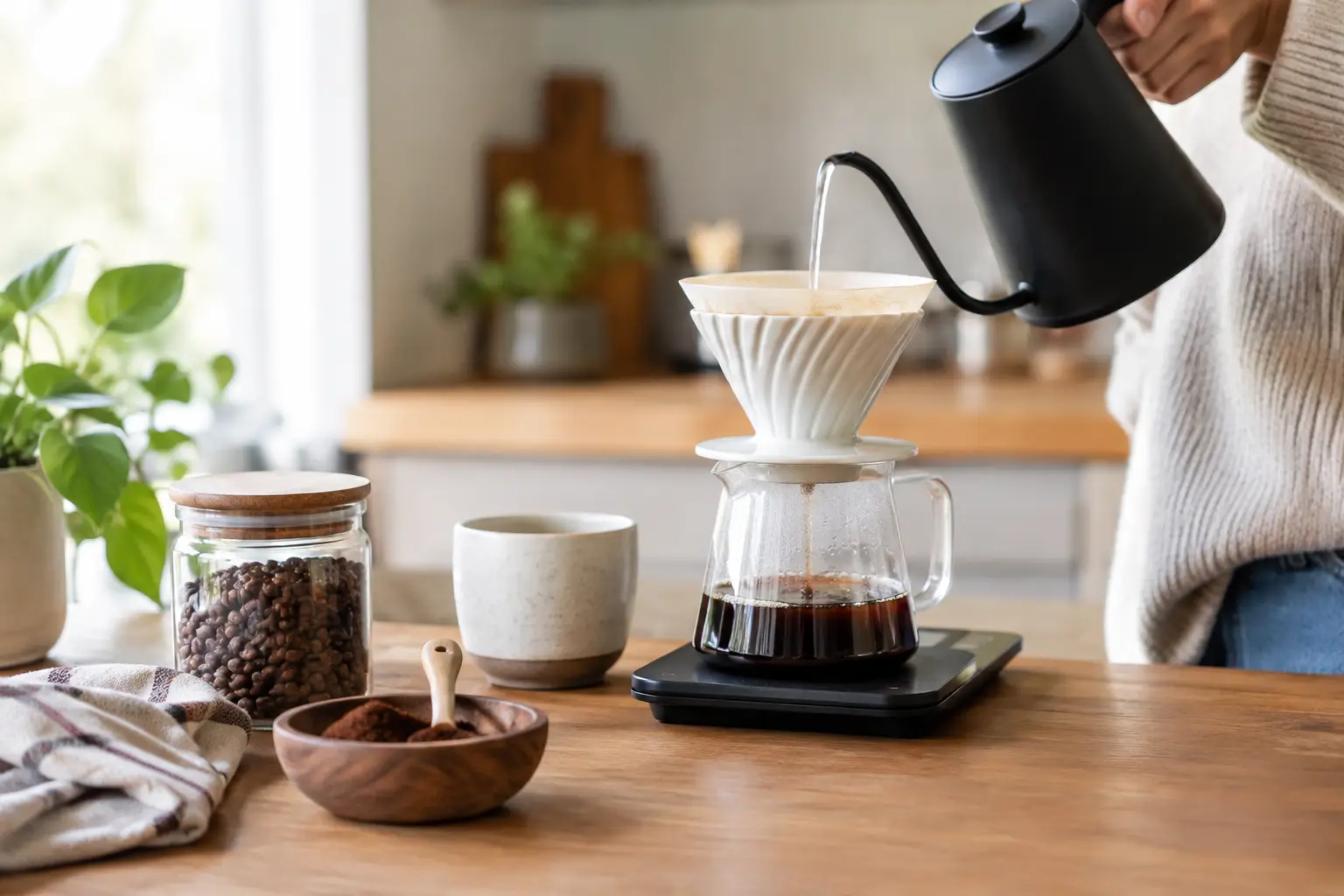
The first sip of a truly good coffee has a way of slowing down a busy morning. Maybe it is bright and citrusy, maybe it carries a little chocolate and toasted-nut comfort, but it tastes clear, intentional, and worth noticing. This guide to specialty coffee is for anyone who wants to understand what is in the cup without turning breakfast into a science project.
A guide to specialty coffee starts with the bean
Specialty coffee is not simply a fancier name for coffee. It describes coffee that has been carefully grown, harvested, processed, roasted, and prepared to highlight its best qualities. In the coffee industry, specialty-grade beans are generally evaluated on a 100-point scale and must score 80 or above. That score matters, but the experience matters more: a cup should be clean, balanced, sweet enough to enjoy, and free from the harsh, stale flavors people often associate with over-roasted or poorly handled coffee.
Coffee begins as the seed inside a cherry that grows on a coffee plant. Like apples, tomatoes, or oysters, its character is shaped by where it comes from. Elevation, soil, rainfall, variety, and the care used at harvest all leave their mark. A coffee from Ethiopia may offer floral aromas and berry-like notes, while one from Colombia may taste rounder, with caramel, citrus, or cocoa. A coffee from Guatemala might bring gentle spice and chocolate to the table.
Those flavor notes are not usually added flavors. They are natural impressions created by the bean’s origin, processing, roasting, and brewing. Think of them as a helpful map, not a promise that your coffee will taste exactly like a blueberry muffin or a square of dark chocolate.
Fresh roasting makes a difference
Green coffee beans do not smell much like the coffee we know. Roasting changes that. Heat develops sugars, creates aroma, and turns a dense green seed into the brown, fragrant bean ready for grinding. It is the moment when a roaster has to make hundreds of small decisions with real consequences for the final cup.
A light roast often preserves more of a coffee’s origin character. It can be lively, tea-like, fruity, or floral. A medium roast often brings a little more body and sweetness while still allowing the bean’s personality to come through. Dark roasts can be rich, smoky, and familiar, but they may cover up some of the distinct flavors that made a particular coffee special in the first place.
There is no moral victory in preferring one roast level over another. If you like a fuller, more traditional cup with breakfast, enjoy it. The pleasure of specialty coffee is having a real choice and knowing why one bag tastes different from the next.
At Mystic Depot Roasters, that care fits naturally with the old depot itself. A station has always been a place where people arrive with different stories and schedules. One guest may want a bright pour-over before a walk around town; another may need a dependable, comforting coffee and a breakfast sandwich before the train. Both deserve a cup made with attention.
The small details that change your cup
You do not need a shelf full of equipment to make better coffee. Start with fresh beans, a burr grinder if possible, clean water, and a brewing method you will actually use on a weekday. Consistency beats complication.
Grinding just before brewing is one of the biggest upgrades a home coffee drinker can make. Once coffee is ground, its aromas begin to fade quickly. Blade grinders can work in a pinch, but they create uneven pieces, which can lead to a cup that tastes both bitter and weak. A burr grinder produces more even grounds and gives you more control.
Water matters, too. Coffee is mostly water, so a cup made with water that tastes strongly chlorinated or metallic will carry those flavors right along with it. Fresh, filtered water is often enough. Bring it close to a boil, then let it rest briefly before brewing. Scalding water can make some coffees taste rough, while water that is too cool may leave them flat and underdeveloped.
A simple starting point is about two tablespoons of ground coffee for every six ounces of water, then adjust from there. If your coffee tastes thin or sour, try a little more coffee, a finer grind, or a longer brew. If it tastes bitter, dry, or overly heavy, use a slightly coarser grind, less coffee, or a shorter brew. Change one thing at a time so you can tell what helped.
Choose the brew method that suits your morning
The best brewer is not necessarily the one with the most parts. It is the one that matches your routine and the kind of cup you enjoy.
A drip coffee maker is practical for households, early work shifts, and anyone serving more than one mug. With good beans and a clean machine, it can produce a wonderful, balanced pot. A pour-over gives you more control over the flow of water and often creates a clean, expressive cup, though it asks for a few unhurried minutes.
A French press produces more body because its metal filter allows natural coffee oils into the cup. It is especially nice for people who enjoy a fuller texture, but it can leave a bit of sediment at the bottom. An AeroPress is compact, forgiving, and useful for travelers, commuters, and small kitchens. Espresso is concentrated, syrupy, and excellent with milk, but it requires a capable machine and careful dialing-in to get its best results.
For iced coffee, brew coffee a touch stronger than usual before pouring it over ice, since melting ice will dilute the drink. Cold brew is another option, made by steeping coarse grounds in cold water for many hours. It tends to be smooth and low in perceived acidity, though it will not show the same bright, aromatic detail as a fresh hot brew. Neither is better – they simply offer different pleasures.
How to taste coffee without making it fussy
Take a small sip while the coffee is hot, then try it again as it cools. Temperature changes what you notice. A cup that seems quiet at first may become sweeter and more interesting after a few minutes.
Pay attention to three simple things: aroma, acidity, and body. Aroma is what rises from the cup before and after you sip. Acidity is the pleasant brightness that can resemble citrus, apple, or stone fruit – not a sour, unpleasant taste. Body is the weight or texture of the coffee on your tongue, from light and tea-like to round and creamy.
Try coffee black at least once before adding milk or sugar, even if you plan to dress it up afterward. This is not a rule about how coffee should be enjoyed. It is simply the easiest way to learn what the bean is offering. Then add what makes the cup feel right to you. A splash of cream, oat milk, or a little sweetness can be part of a very good coffee ritual.
Buy thoughtfully and keep beans fresh
When choosing a bag, look for a roast date rather than relying only on a best-by date. Coffee is often at its most flavorful after it has rested for several days following roasting, and many coffees are especially enjoyable within a few weeks. Exact timing varies by roast and brew method, so taste is the best judge.
Store beans in an airtight container in a cool, dark cabinet. Skip the refrigerator, where coffee can absorb odors and encounter moisture. Freezing can work for longer storage if beans are sealed well and divided into small portions, but for a bag you are using every day, the pantry is simpler.
Consider buying a smaller bag more often instead of stocking up. Freshness is not about chasing perfection. It is about giving a carefully grown and roasted coffee a fair chance to shine.
The next time you settle into a booth before a train, carry a warm cup down the platform, or make coffee in your own kitchen while the house is still quiet, notice what is there. Specialty coffee is a craft with a long journey behind it, but its finest purpose is wonderfully simple: making an ordinary moment feel cared for.
Follow For More
October 27, 2026
Station Dining Versus Fast Food: What Wins?
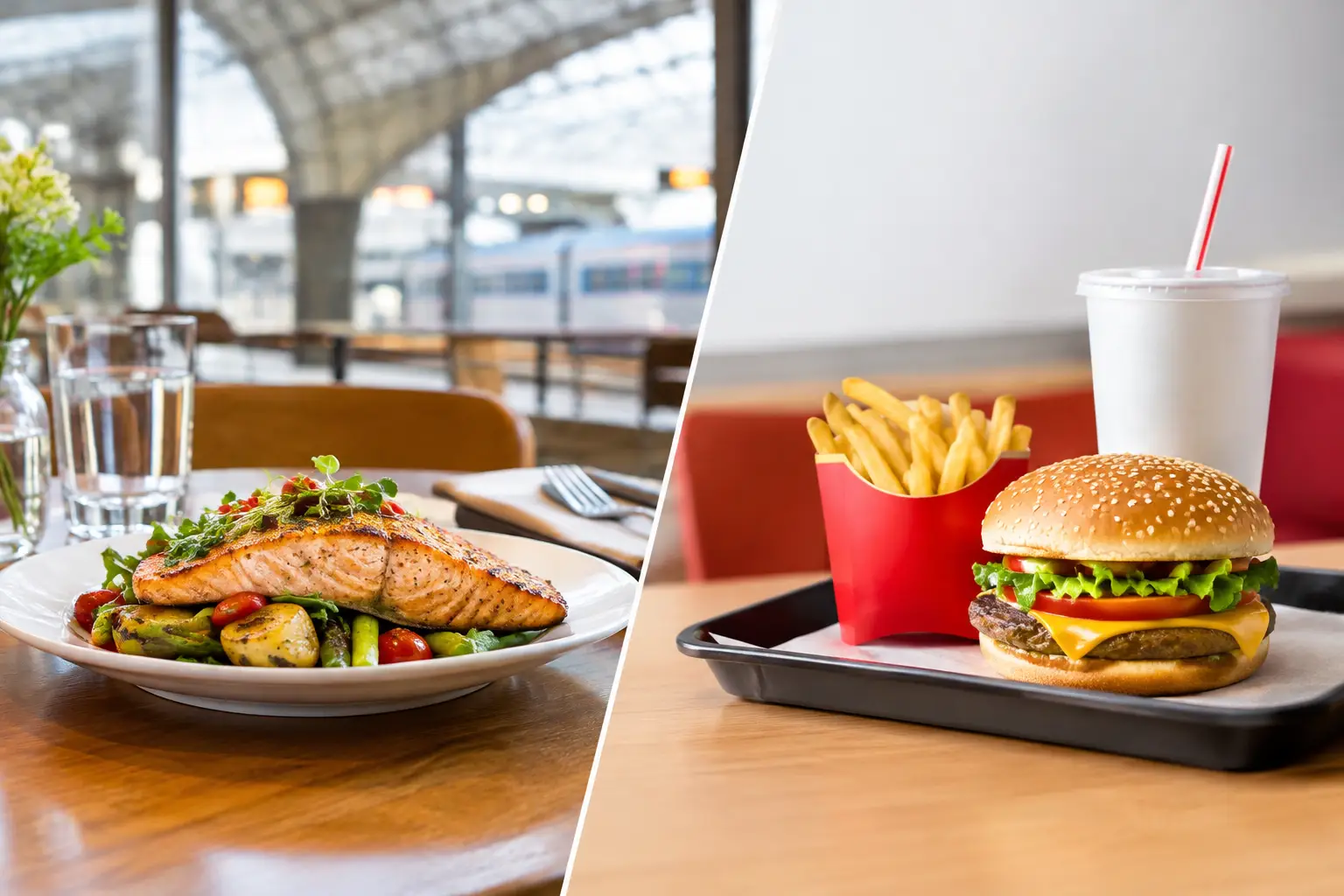
A train pulls in, a family checks the departure board, and someone realizes they have not had coffee since sunrise. That is the moment when station dining versus fast food stops being an abstract choice. Travelers and locals alike need something dependable, reasonably priced, and quick enough to fit a real schedule. But they also deserve better than a meal that feels like an afterthought.
Fast food has earned its place for a reason. It is familiar, predictable, and often available when time is short. Yet a station can offer something more memorable: a fresh breakfast before an early departure, a made-to-order sandwich after a long ride, or a cup of carefully brewed coffee in a building that has welcomed generations of passengers.
Station Dining Versus Fast Food Comes Down to the Experience
The clearest difference is not simply the menu. It is the feeling a guest carries away.
Fast food is built around speed and consistency at a large scale. There is value in knowing what you will get, especially while driving on the highway or trying to feed a hungry crew between activities. For some travelers, that familiar option is exactly right. A quick stop can be the practical choice when every minute matters.
Station dining works best when it respects that same need for efficiency while adding care that cannot be standardized. The coffee is prepared with attention. Breakfast is cooked to order. The person at the counter may ask how your morning is going, point out the platform, or remember that you take your coffee with a little cream. Those details are small, but they change a stop into a welcome.
At a historic station, the setting also has a job to do. A restored waiting room, old brickwork, high windows, and the sound of a passing train give a meal a sense of place. You are not simply grabbing calories before the next item on your itinerary. You are spending a few minutes in the story of the town you came to see.
Convenience Should Not Mean Settling
There is a common assumption that fresh food and good service take too long for a traveler. That can be true at a formal sit-down restaurant, where a meal is meant to unfold slowly. A well-run café is different. It can offer a practical middle ground between a drive-thru and a full dining room.
For the commuter catching an early train, that may mean a hot breakfast sandwich and coffee ready to carry. For the day-tripper arriving in Mystic, it might mean a fresh-baked treat and a chance to get oriented before heading toward the water. For a local on a lunch break, it can be a sandwich that feels made for lunch, not pulled from a warming cabinet.
The best station dining understands the clock. It keeps the menu approachable, the ordering process clear, and the pace moving. It does not ask passengers to choose between eating well and making their train.
That said, there are days when the fastest option wins. If you are traveling with overtired children, delayed by traffic, or staring at a departure board with only a few minutes to spare, a simple grab-and-go item may be all that fits. Good hospitality means meeting people where they are, not judging a practical decision.
Freshness Has a Different Kind of Value
A made-to-order meal is not automatically better just because it takes more effort. The difference shows up in the details: a sandwich with ingredients that still have texture and flavor, eggs cooked for breakfast rather than held for hours, and baked goods that smell like they came from an oven instead of a shipping box.
Freshness also gives people choice. A parent can find something more substantial for a child than a bag of chips. A traveler can choose a lighter lunch before a long ride. A local who visits regularly can work through familiar favorites without feeling as though every meal tastes exactly the same.
Coffee deserves its own mention. At many quick-service stops, coffee is simply fuel. At a local café, it can be part of the reason to stop in the first place. Freshly roasted specialty coffee brings a little ceremony to a rushed morning, whether it is enjoyed at a table or carried down the platform.
A Station Meal Can Belong to the Community
Fast food restaurants are often designed to feel the same from one exit to the next. That consistency can be useful, but it rarely tells you much about where you are.
A station café has the opportunity to be unmistakably local. It can stock nostalgic snacks that make a visitor smile, offer gifts that are easy to pack, and serve the regular who walks in every morning before work. It can be a meeting spot for neighbors, a soft landing for relatives arriving by train, and a reliable recommendation from a hotel desk.
That local connection matters because travel can be tiring, even when the destination is exciting. People look for cues that they are in good hands. A friendly greeting, a clean table, and staff who know the rhythms of the station can make an unfamiliar place feel less unfamiliar.
Mystic Depot Roasters was built around that idea inside the restored 1905 Mystic Amtrak station. The goal is not to turn a historic depot into a museum where visitors cannot touch anything. It is to keep the building useful, lively, and welcoming – with breakfast, lunch, coffee, baked goods, and the everyday conversations that give a community landmark its life.
Price Matters, and So Does What You Receive
It is fair to compare prices when deciding where to eat. Fast food can appear less expensive at first glance, particularly when a meal is chosen from a value menu. But the real comparison is not only the number on the receipt. It is whether the food satisfies you, whether the coffee tastes worth drinking, and whether you feel ready for the rest of your day afterward.
Station dining does not need to be fancy to offer value. In fact, the strongest local cafés tend to keep things straightforward: familiar food, generous portions, sensible choices, and service that treats every guest with respect. A quality meal at a reasonable price has lasting appeal because it fits ordinary life, not just special occasions.
For visitors, value can also include avoiding an extra stop. If breakfast, a good cup of coffee, a sweet treat for later, and a small gift can all be found near the platform, the day becomes easier. For residents, it means having a dependable place close by without sacrificing character for convenience.
The Better Question Is What Your Stop Is For
Rather than asking whether station dining is always better than fast food, ask what you need from the stop. If you need the fastest possible handoff, fast food may serve the moment well. If you have a few more minutes and want food prepared with care, coffee worth lingering over, and a genuine taste of the town, station dining offers a different kind of convenience.
A train station is, after all, a place of arrivals and departures. It should have room for the hurried passenger and the unhurried neighbor, for the person grabbing a snack and the family beginning a day out. The next time you find yourself near the tracks with time for a proper cup of coffee, let the stop be part of the journey, not merely a pause between destinations.