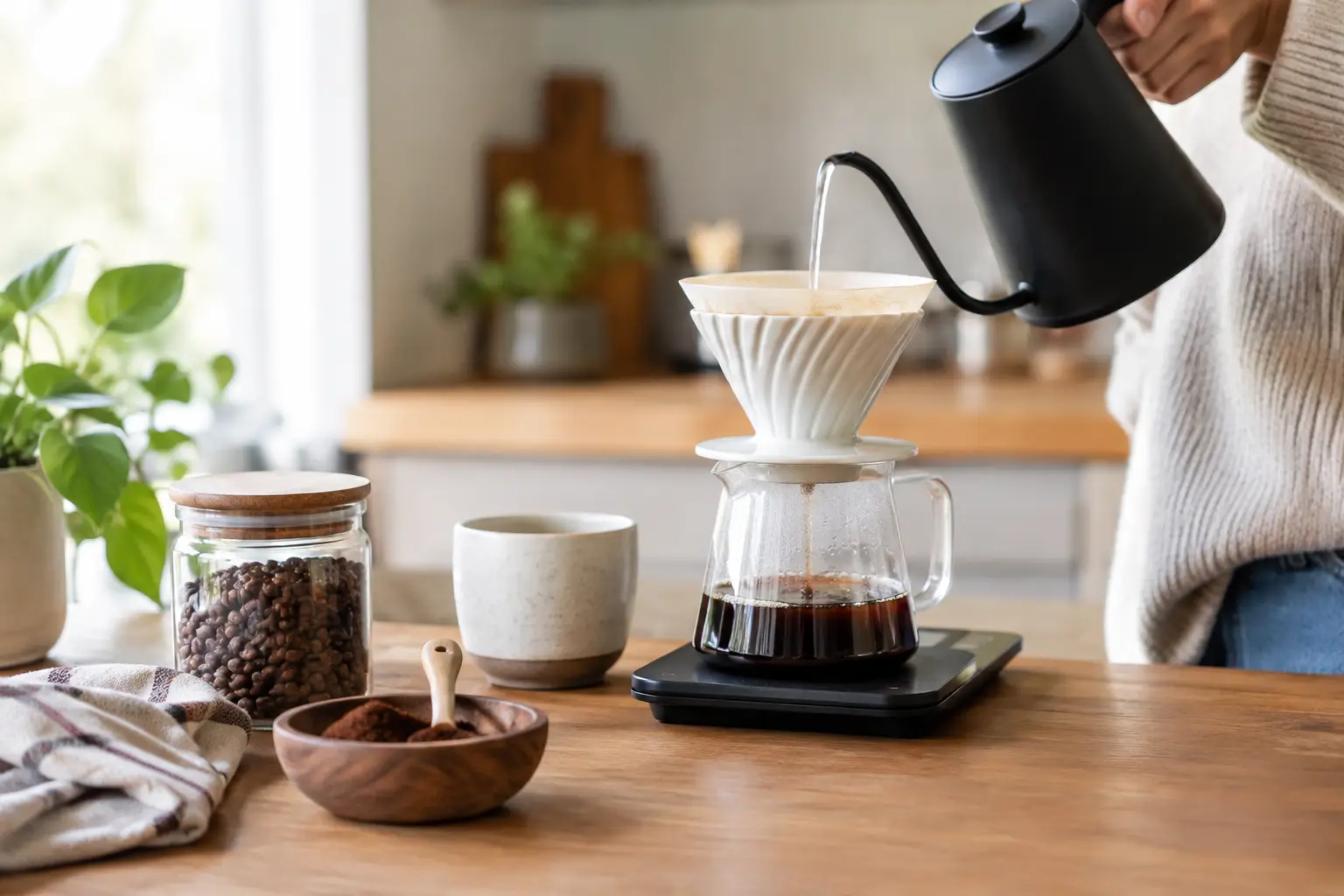
The first sip of a truly good coffee has a way of slowing down a busy morning. Maybe it is bright and citrusy, maybe it carries a little chocolate and toasted-nut comfort, but it tastes clear, intentional, and worth noticing. This guide to specialty coffee is for anyone who wants to understand what is in the cup without turning breakfast into a science project.
A guide to specialty coffee starts with the bean
Specialty coffee is not simply a fancier name for coffee. It describes coffee that has been carefully grown, harvested, processed, roasted, and prepared to highlight its best qualities. In the coffee industry, specialty-grade beans are generally evaluated on a 100-point scale and must score 80 or above. That score matters, but the experience matters more: a cup should be clean, balanced, sweet enough to enjoy, and free from the harsh, stale flavors people often associate with over-roasted or poorly handled coffee.
Coffee begins as the seed inside a cherry that grows on a coffee plant. Like apples, tomatoes, or oysters, its character is shaped by where it comes from. Elevation, soil, rainfall, variety, and the care used at harvest all leave their mark. A coffee from Ethiopia may offer floral aromas and berry-like notes, while one from Colombia may taste rounder, with caramel, citrus, or cocoa. A coffee from Guatemala might bring gentle spice and chocolate to the table.
Those flavor notes are not usually added flavors. They are natural impressions created by the bean’s origin, processing, roasting, and brewing. Think of them as a helpful map, not a promise that your coffee will taste exactly like a blueberry muffin or a square of dark chocolate.
Fresh roasting makes a difference
Green coffee beans do not smell much like the coffee we know. Roasting changes that. Heat develops sugars, creates aroma, and turns a dense green seed into the brown, fragrant bean ready for grinding. It is the moment when a roaster has to make hundreds of small decisions with real consequences for the final cup.
A light roast often preserves more of a coffee’s origin character. It can be lively, tea-like, fruity, or floral. A medium roast often brings a little more body and sweetness while still allowing the bean’s personality to come through. Dark roasts can be rich, smoky, and familiar, but they may cover up some of the distinct flavors that made a particular coffee special in the first place.
There is no moral victory in preferring one roast level over another. If you like a fuller, more traditional cup with breakfast, enjoy it. The pleasure of specialty coffee is having a real choice and knowing why one bag tastes different from the next.
At Mystic Depot Roasters, that care fits naturally with the old depot itself. A station has always been a place where people arrive with different stories and schedules. One guest may want a bright pour-over before a walk around town; another may need a dependable, comforting coffee and a breakfast sandwich before the train. Both deserve a cup made with attention.
The small details that change your cup
You do not need a shelf full of equipment to make better coffee. Start with fresh beans, a burr grinder if possible, clean water, and a brewing method you will actually use on a weekday. Consistency beats complication.
Grinding just before brewing is one of the biggest upgrades a home coffee drinker can make. Once coffee is ground, its aromas begin to fade quickly. Blade grinders can work in a pinch, but they create uneven pieces, which can lead to a cup that tastes both bitter and weak. A burr grinder produces more even grounds and gives you more control.
Water matters, too. Coffee is mostly water, so a cup made with water that tastes strongly chlorinated or metallic will carry those flavors right along with it. Fresh, filtered water is often enough. Bring it close to a boil, then let it rest briefly before brewing. Scalding water can make some coffees taste rough, while water that is too cool may leave them flat and underdeveloped.
A simple starting point is about two tablespoons of ground coffee for every six ounces of water, then adjust from there. If your coffee tastes thin or sour, try a little more coffee, a finer grind, or a longer brew. If it tastes bitter, dry, or overly heavy, use a slightly coarser grind, less coffee, or a shorter brew. Change one thing at a time so you can tell what helped.
Choose the brew method that suits your morning
The best brewer is not necessarily the one with the most parts. It is the one that matches your routine and the kind of cup you enjoy.
A drip coffee maker is practical for households, early work shifts, and anyone serving more than one mug. With good beans and a clean machine, it can produce a wonderful, balanced pot. A pour-over gives you more control over the flow of water and often creates a clean, expressive cup, though it asks for a few unhurried minutes.
A French press produces more body because its metal filter allows natural coffee oils into the cup. It is especially nice for people who enjoy a fuller texture, but it can leave a bit of sediment at the bottom. An AeroPress is compact, forgiving, and useful for travelers, commuters, and small kitchens. Espresso is concentrated, syrupy, and excellent with milk, but it requires a capable machine and careful dialing-in to get its best results.
For iced coffee, brew coffee a touch stronger than usual before pouring it over ice, since melting ice will dilute the drink. Cold brew is another option, made by steeping coarse grounds in cold water for many hours. It tends to be smooth and low in perceived acidity, though it will not show the same bright, aromatic detail as a fresh hot brew. Neither is better – they simply offer different pleasures.
How to taste coffee without making it fussy
Take a small sip while the coffee is hot, then try it again as it cools. Temperature changes what you notice. A cup that seems quiet at first may become sweeter and more interesting after a few minutes.
Pay attention to three simple things: aroma, acidity, and body. Aroma is what rises from the cup before and after you sip. Acidity is the pleasant brightness that can resemble citrus, apple, or stone fruit – not a sour, unpleasant taste. Body is the weight or texture of the coffee on your tongue, from light and tea-like to round and creamy.
Try coffee black at least once before adding milk or sugar, even if you plan to dress it up afterward. This is not a rule about how coffee should be enjoyed. It is simply the easiest way to learn what the bean is offering. Then add what makes the cup feel right to you. A splash of cream, oat milk, or a little sweetness can be part of a very good coffee ritual.
Buy thoughtfully and keep beans fresh
When choosing a bag, look for a roast date rather than relying only on a best-by date. Coffee is often at its most flavorful after it has rested for several days following roasting, and many coffees are especially enjoyable within a few weeks. Exact timing varies by roast and brew method, so taste is the best judge.
Store beans in an airtight container in a cool, dark cabinet. Skip the refrigerator, where coffee can absorb odors and encounter moisture. Freezing can work for longer storage if beans are sealed well and divided into small portions, but for a bag you are using every day, the pantry is simpler.
Consider buying a smaller bag more often instead of stocking up. Freshness is not about chasing perfection. It is about giving a carefully grown and roasted coffee a fair chance to shine.
The next time you settle into a booth before a train, carry a warm cup down the platform, or make coffee in your own kitchen while the house is still quiet, notice what is there. Specialty coffee is a craft with a long journey behind it, but its finest purpose is wonderfully simple: making an ordinary moment feel cared for.